



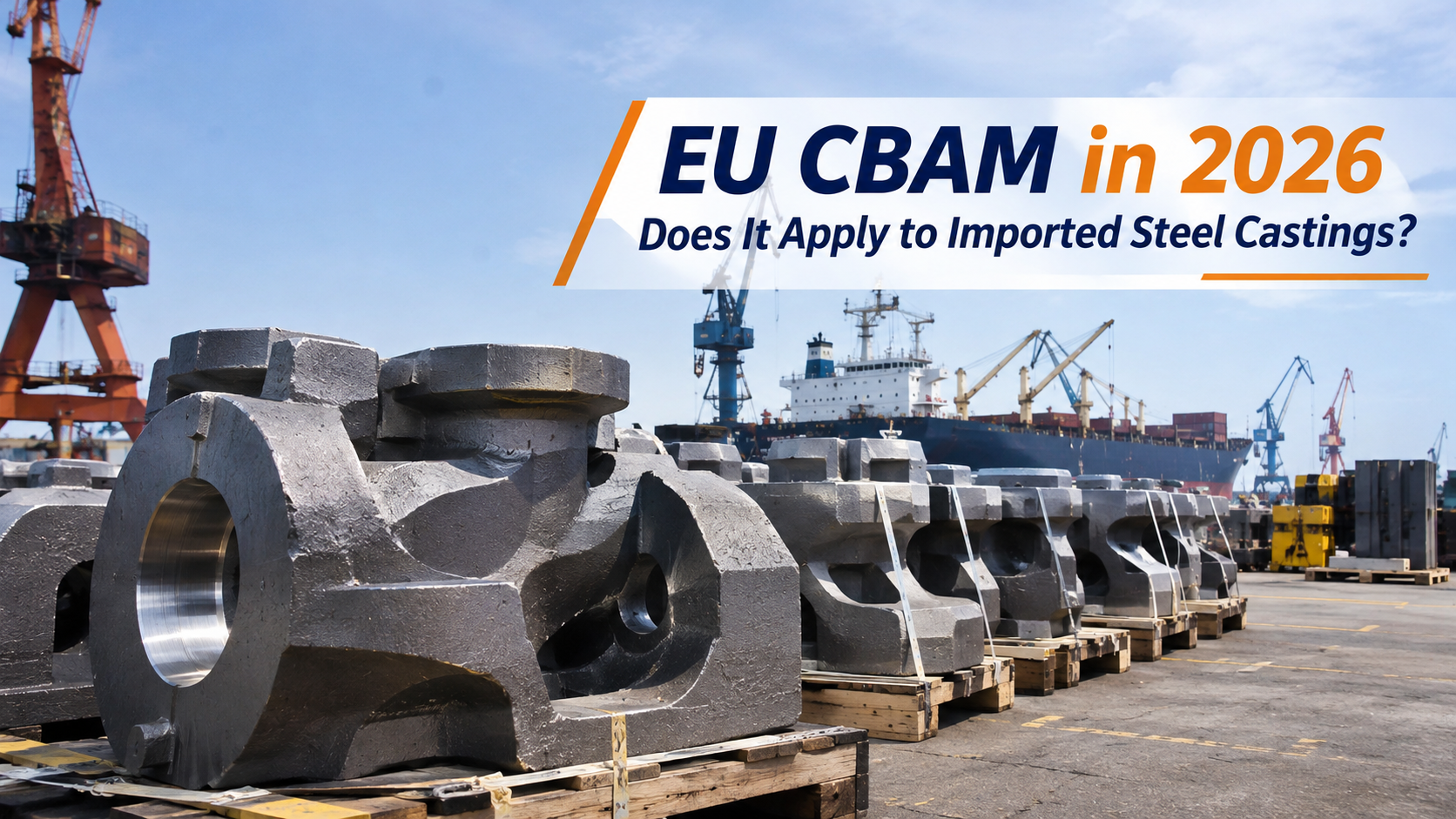
STEEL CASTINGS & EU TRADE COMPLIANCE
EU CBAM in 2026: Does It Apply to Imported Steel Castings?
For European companies importing steel castings, understanding the EU Carbon Border Adjustment Mechanism (CBAM) is becoming increasingly important. However, not every imported steel product falls under this regulation.
EU CBAM in 2026 introduces new compliance responsibilities for certain carbon-intensive imports. For steel casting buyers and suppliers, understanding product classifications, potential costs, and reporting requirements is essential for making informed sourcing decisions.
1. What Is EU CBAM and What Changes in 2026?
The Carbon Border Adjustment Mechanism (CBAM) is an EU policy designed to address carbon leakage by applying carbon-related costs to selected imported products. It aims to create fairer competition between European manufacturers and overseas suppliers.
EU CBAM in 2026 marks the beginning of the definitive phase, following a transitional reporting period from 2023 to 2025. The mechanism covers selected products in six sectors, including iron and steel, aluminium, cement, fertilisers, electricity, and hydrogen.
Importers of covered goods may face emissions reporting and certificate obligations. However, a 50-tonne annual threshold generally exempts smaller importers of covered goods in the iron and steel, aluminium, cement, and fertiliser sectors.
For covered imports made in 2026, the first annual CBAM declaration and certificate surrender are due by September 30, 2027.
2. Are Imported Steel Castings Covered by EU CBAM?
Not all steel castings are subject to CBAM. Whether a product is covered depends primarily on its classification under the EU Combined Nomenclature (CN) system.
Understanding this distinction is essential when evaluating EU CBAM in 2026, especially for businesses importing industrial castings, mining equipment components, and machinery parts.
Which Steel Products and CN Codes Are Covered?
The CBAM framework covers specified iron and steel products, including certain raw materials, semi-finished steel products, structural components, fasteners, and manufactured articles.
Two classifications are particularly relevant:
- CN 7325: Other cast articles of iron or steel. This heading is not included in the current CBAM product list.
- CN 7326: Other articles of iron or steel. This heading is included in the current CBAM scope.
This distinction means that steel castings are not automatically covered simply because they contain steel.
For EU CBAM in 2026, importers must verify the correct CN classification of each product before determining whether CBAM obligations apply.
How to Determine if Your Steel Castings Are Subject to CBAM
Buyers should begin by confirming the product's technical specifications, material composition, manufacturing process, and intended application.
The next step is to identify the correct eight-digit CN code and compare it with the products listed in the CBAM Regulation.
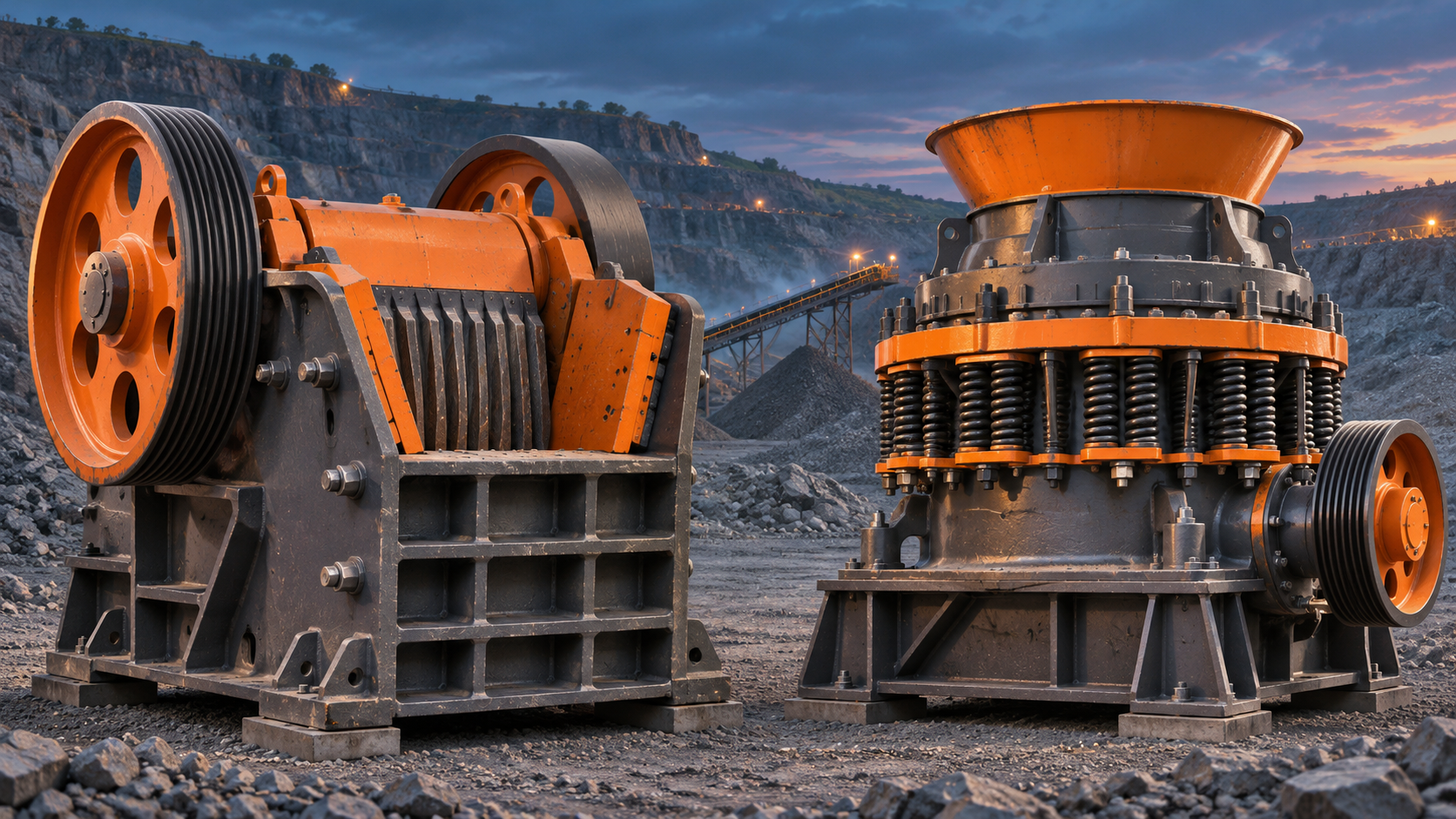
For example, large industrial gears, crusher components, and wear-resistant castings may have different customs classifications depending on their characteristics and processing stages.
If classification remains uncertain, importers should consult customs professionals or request Binding Tariff Information (BTI).
Accurate classification is the most reliable starting point for assessing EU CBAM in 2026 and avoiding unnecessary compliance risks.
3. How Does CBAM Affect Steel Casting Importers and Suppliers?
CBAM may influence procurement costs, supplier selection, and documentation requirements for covered products.
For European companies sourcing steel castings internationally, EU CBAM in 2026 makes it increasingly important to distinguish between goods that fall within the regulation and those that do not.
Potential Cost Implications for EU Importers
For covered imports exceeding the applicable threshold, CBAM introduces potential certificate costs based on embedded carbon emissions.
Certificate prices are linked to the EU Emissions Trading System (EU ETS), while actual obligations depend on emissions calculations and applicable adjustments.
Higher embedded emissions may increase the cost of importing covered products. However, products outside the current CBAM scope do not automatically face these charges.
When evaluating EU CBAM in 2026, buyers should consider customs classification, emissions information, and compliance expenses alongside traditional purchasing factors such as product quality, price, and delivery time.
Carbon Emissions Data and Supplier Requirements
For products covered by CBAM, European importers may require additional production and carbon emissions information from overseas manufacturers.
Suppliers may need to provide information about manufacturing facilities, production processes, material inputs, and embedded emissions.
Accurate documentation helps importers calculate their obligations and meet reporting requirements. Where actual emissions data are used, applicable verification rules must also be satisfied.
Although EU CBAM in 2026 does not cover every steel casting, transparent communication between buyers and suppliers can support smoother international procurement.
4. How Can Steel Casting Buyers Prepare for CBAM Compliance?
Preparation begins with understanding exactly which imported products fall within the regulation.
European buyers should review their product classifications, confirm applicable CN codes, and maintain accurate customs documentation. For covered goods, they should also assess annual import volumes and determine whether the 50-tonne threshold applies.
Working with suppliers who can provide clear product specifications and reliable manufacturing information can simplify the compliance process.
For businesses importing covered products, establishing emissions data collection procedures and preparing for annual reporting requirements are also important.
As EU regulations continue to develop, companies should monitor potential changes to the CBAM product scope, particularly future coverage of additional downstream steel products.
Ultimately, EU CBAM in 2026 does not automatically apply to all imported steel castings. The correct CN code determines product coverage, while import volumes and emissions requirements determine the relevant compliance obligations.
For international steel casting buyers, accurate classification and effective supplier communication remain the foundation of a reliable, compliant sourcing strategy.



 English
 Русский
 العربية
 Español
 Français
 简体中文