


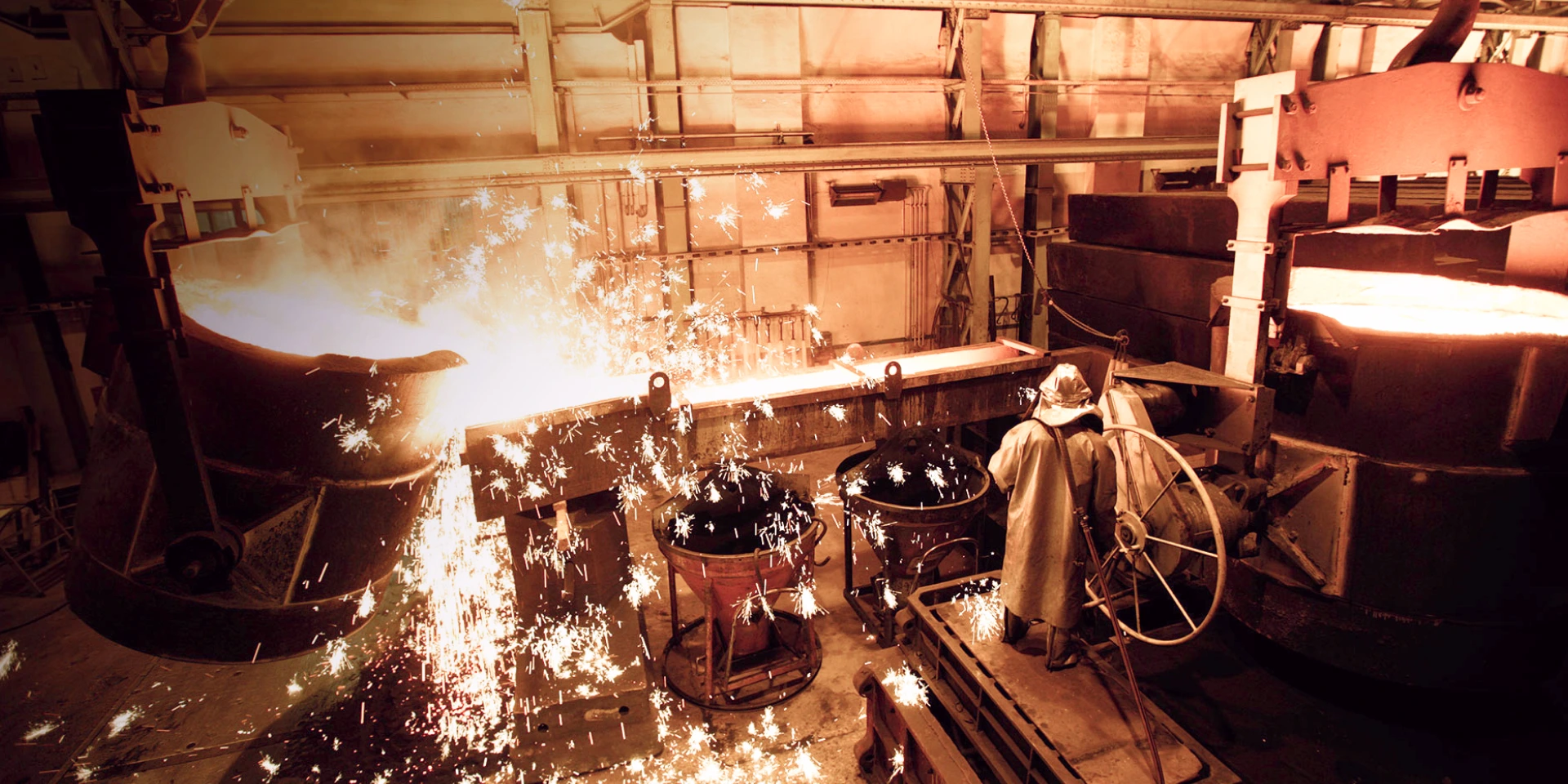
When scaling up metal parts production, selecting the right manufacturing method is critical to balancing total costs, part quality, and lead times. For OEM buyers and engineers, the debate between Sand Casting vs. Die Casting is a common crossroads. While both are highly effective metalforming techniques, they cater to entirely different production volumes, tooling budgets, and project requirements. In this guide, we will break down the key differences between these two methods to help you determine which process aligns perfectly with your production scale and bottom line.
A comprehensive guide for industrial buyers to balance tooling costs, reduce lead times, and maximize ROI.
Инженерная группа Ханьхай
Mar 28, 2026 · 6 min read
Содержание
1. Core Differences: Sand Casting vs. Die Casting
Before diving into the metrics, it is helpful to understand the basic mechanics of both methods. Sand casting uses expandable sand molds to form complex metal parts, which are broken apart after the metal solidifies. Die casting, on the other hand, forces molten metal under high pressure into reusable hardened steel molds (dies). This fundamental difference dictates their respective advantages in the manufacturing supply chain.
1.1 Production Volumes & Tooling Costs
When evaluating Sand Casting vs. Die Casting for your project, volume and tooling are usually the ultimate deciding factors. Die casting requires highly expensive, precision-machined steel molds. To justify this massive upfront tooling cost, you typically need production runs of tens of thousands to hundreds of thousands of parts.
Conversely, sand casting relies on relatively inexpensive patterns made of wood, plastic, or aluminum. The low initial investment makes it highly cost-effective for low-to-medium OEM volumes (ranging from a single prototype to several thousand units). If your product design is still evolving, sand casting allows for cheap and easy pattern modifications, whereas changing a steel die is incredibly expensive.
1.2 Lead Times & Prototyping
In today's fast-paced industrial market, reducing time-to-market is vital. Sand casting offers significantly shorter lead times for first-article inspection and prototyping. A sand foundry can often produce a new pattern and cast the first part within a few weeks.
Die casting requires a long lead time—often several months—just to manufacture the complex steel tooling. However, once the die is ready, the cycle time per part is extremely fast. Therefore, for immediate manufacturing needs or rapid prototyping of industrial parts, sand casting is the clear winner.
1.3 Part Size and Material Suitability
Another critical aspect of the Sand Casting vs. Die Casting comparison is the physical limitation of the parts. Die casting is highly restricted by size and weight. It is predominantly used for small to medium-sized components made from non-ferrous, lightweight metals like aluminum, zinc, and magnesium.
Sand casting has virtually no upper limit on part size or weight. It is the go-to method for manufacturing heavy industrial components, such as multi-ton slag pots, mill housings, and large machine bases. Furthermore, sand casting can accommodate a vast array of materials, including heavy steel, ductile iron, and various specialized alloys.
2. Quick Comparison Matrix (At a Glance)
To simplify the Sand Casting vs. Die Casting decision for procurement managers, here is a quick reference guide:
| Feature / Metric | Литье в песок | Die Casting |
|---|---|---|
| Ideal OEM Volume | Low to Medium (1 - 1,000+ parts) | High Volume (10,000+ parts) |
| Tooling Cost | Low | Very High |
| Lead Time (First Article) | Short (Weeks) | Long (Months) |
| Part Weight / Size | Unlimited (Best for Heavy Parts) | Limited (Small to Medium Parts) |
| Common Materials | Steel, Iron, Aluminum, Bronze | Aluminum, Zinc, Magnesium |
3. Which Process Fits Your OEM Volumes?
Ultimately, analyzing Sand Casting vs. Die Casting comes down to your specific project requirements.
3.1 Choose Sand Casting if:
Your project involves low-to-medium volumes, heavy industrial components (like steel or iron), frequent design changes, or limited upfront tooling budgets. It is the ideal choice for heavy machinery, mining equipment, and large-scale infrastructure parts.
3.2 Choose Die Casting if:
You need tens of thousands of lightweight, highly precise parts (like aluminum or zinc) with no expected design modifications. It is best suited for automotive consumer parts, electronics housings, and mass-produced goods.
4. Partnering with a Reliable OEM Casting Supplier
Understanding the nuances of Sand Casting vs. Die Casting is the first step; finding the right manufacturing partner is the next. At Hanhai Casting, we specialize in high-quality sand casting solutions tailored for heavy industrial applications. By combining our robust casting capabilities with advanced CNC machining services, we deliver fully finished, tight-tolerance components directly to your assembly line.
Whether you need a single massive prototype or a steady supply of medium-volume heavy steel castings, our engineering team can optimize the process to reduce your total cost of ownership.