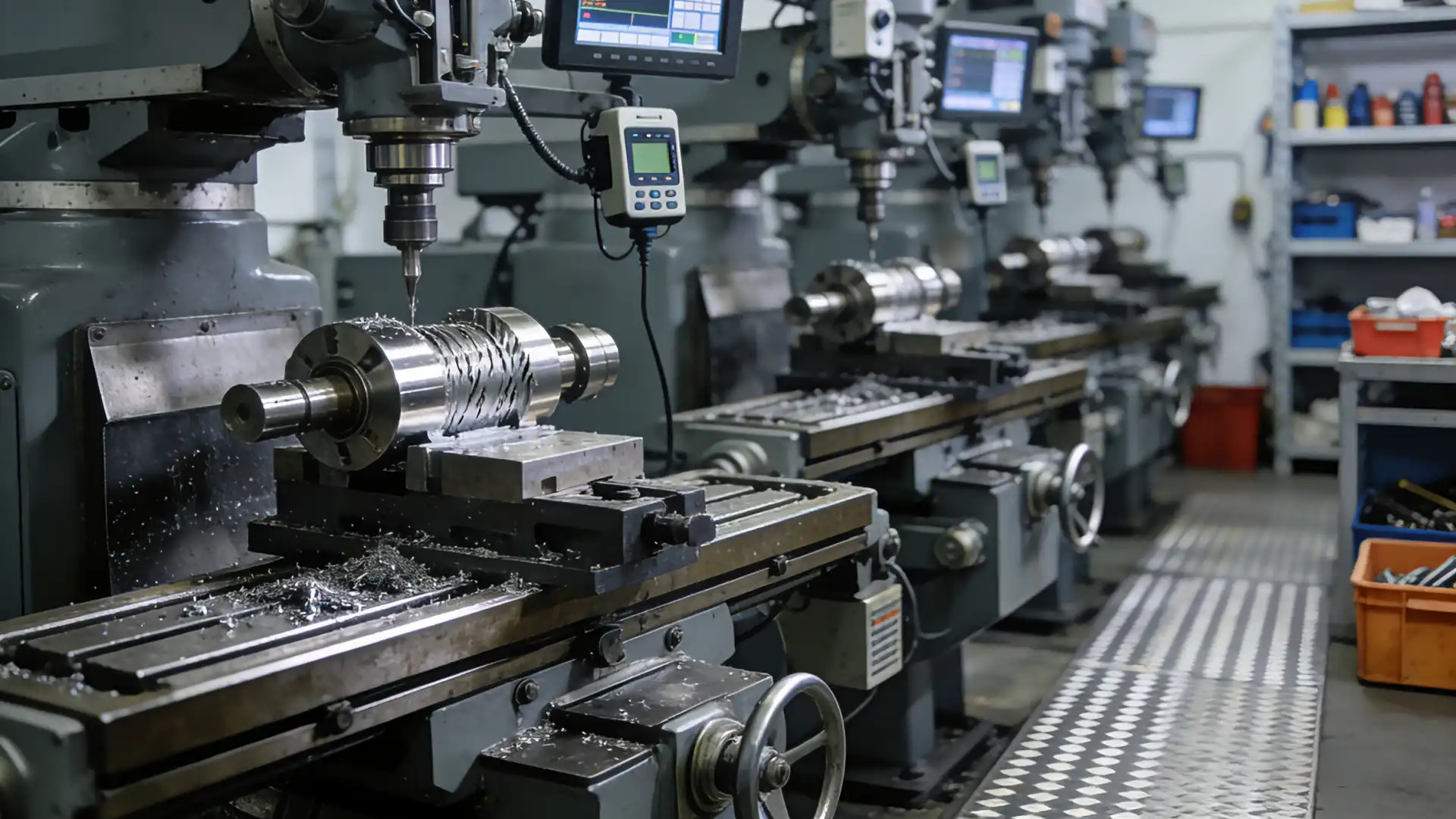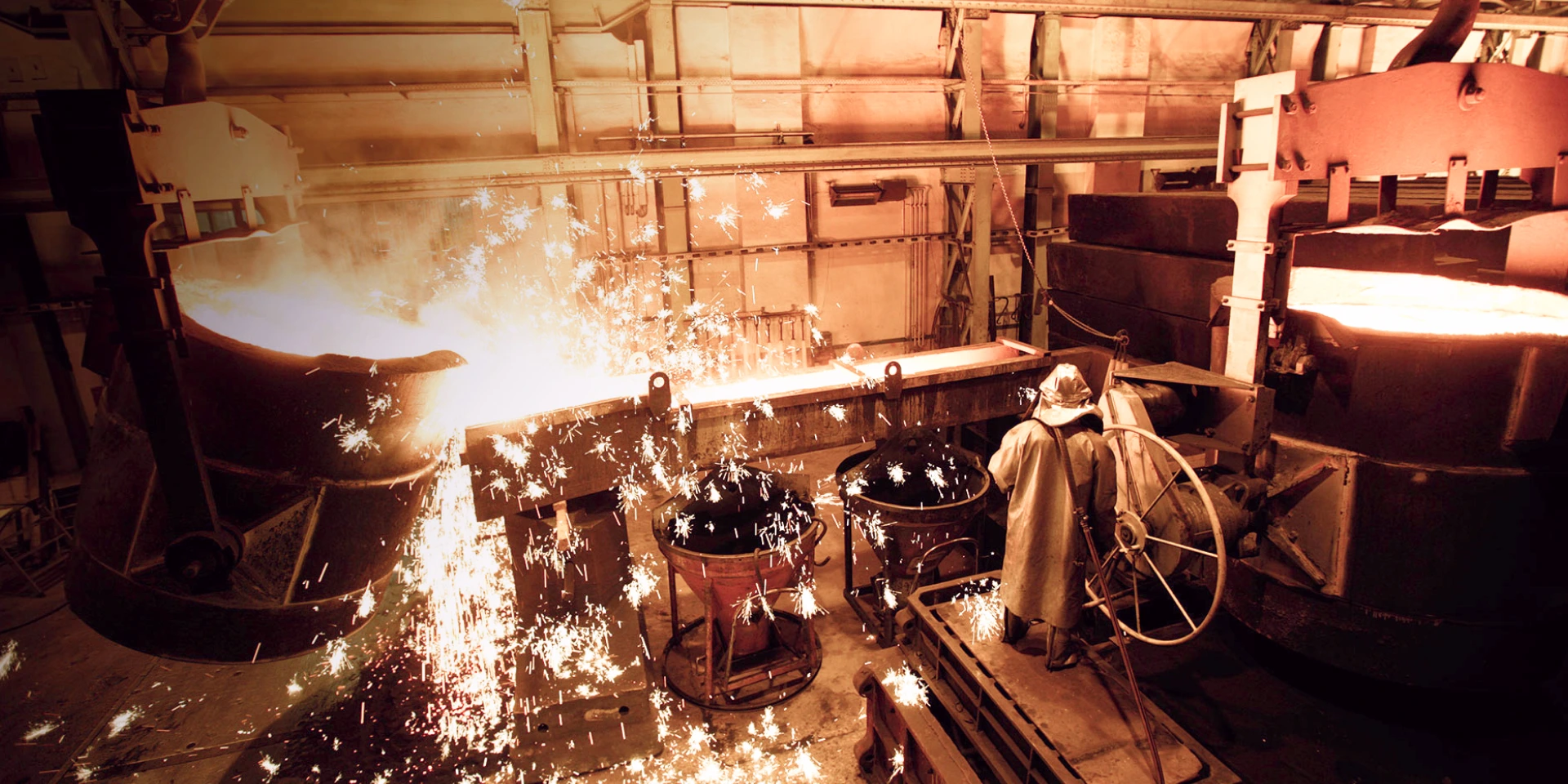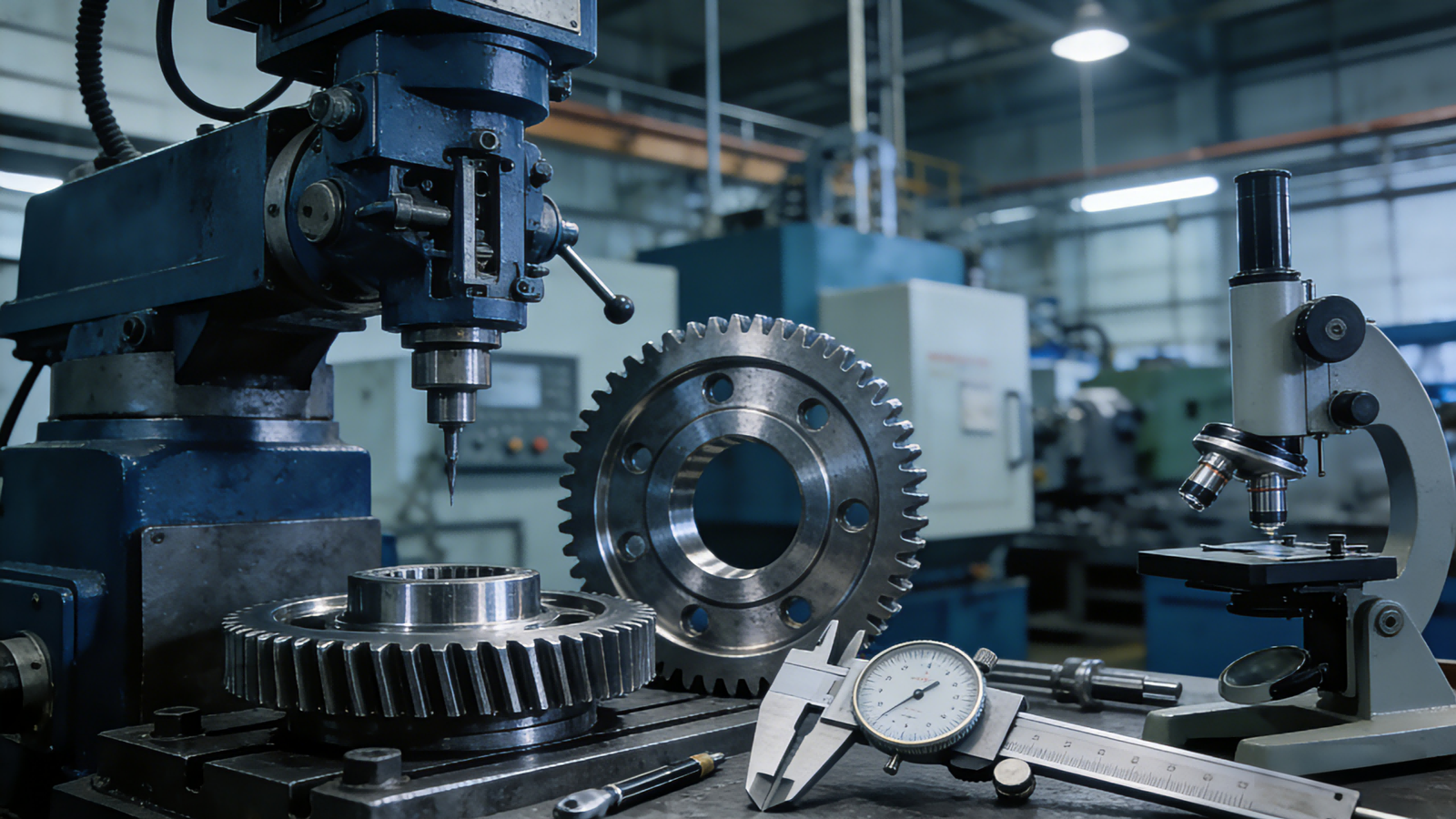




As OEM tolerances become stricter and production schedules tighter, relying solely on post-production inspection is no longer sufficient. In 2026, the landscape of precision manufacturing is being rapidly transformed by AI-native machining. By integrating artificial intelligence directly into CNC systems, industry leaders are driving a massive shift toward real-time quality control. This proactive approach detects anomalies the millisecond they occur and autonomously adjusts machining parameters, allowing industrial buyers to significantly reduce scrap rates, prevent costly setup errors, and ensure absolute consistency in complex components.
Moving Beyond Post-Production Inspection to Achieve
Zero-Defect Precision Manufacturing
Инженерная группа Ханьхай
Apr 1, 2026 · 7 min read
Содержание
- 1. The Core Concept: Defining AI-Native Machining in 2026
- 2. How Real-Time Quality Control is Transforming CNC Floors
- 3. Top 3 Benefits of AI-Native Machining for OEM Buyers
- 4. Bridging the Gap: Combining Digital Twins with AI-Native Machining
- 5. Conclusion: Sourcing from Forward-Looking Machining Partners in 2026
1. The Core Concept: Defining AI-Native Machining in 2026
For decades, precision manufacturing relied on a linear approach: programmers generated G-code, CNC machines blindly executed the paths, and inspectors verified the final dimensions using CMMs (Coordinate Measuring Machines) after the fact. If a tool wore out prematurely or a hard spot in a casting caused deflection, the error wasn't caught until the part was already ruined.
In 2026, AI-native machining is completely rewriting this workflow. Rather than just executing static code, an AI-native machining center acts as a highly intelligent system equipped with "senses" and a "brain." By integrating artificial intelligence directly into the machine's control unit, the equipment can process live data, make split-second decisions, and adapt to changing conditions on the fly. This fundamentally shifts the industry standard from post-production inspection to real-time quality control.
2. How Real-Time Quality Control is Transforming CNC Floors
The power of AI-native machining lies in its ability to monitor the cutting environment constantly. Here is how this technology is actively eliminating defects on modern factory floors:
2.1 Acoustic and Vibration Sensors for Instant Defect Detection
Modern CNC machines are now equipped with high-fidelity acoustic emission and vibration sensors. These sensors "listen" to the cutting process. By comparing the live acoustic signature against an AI-trained baseline, the system can instantly detect anomalies like tool chatter, micro-cracks in the material, or improper chip evacuation.
2.2 AI-Driven Adaptive Control: Auto-Correcting in Milliseconds
Detection is only half the battle; correction is where AI-native machining truly shines. When sensors detect an anomaly, the AI-driven adaptive control system intervenes within milliseconds. It autonomously adjusts the feed rate, spindle speed, or tool path to stabilize the cutting conditions. This closed-loop feedback ensures that potential defects are corrected before they translate into out-of-tolerance dimensions on the physical part.
3. Top 3 Benefits of AI-Native Machining for OEM Buyers
For industrial procurement managers and OEM buyers, the shift towards AI-native machining translates directly into measurable business value, minimizing risks and protecting profit margins.
3.1 Drastic Reduction in Scrap Rates and Material Waste
Scrapping a heavily machined industrial casting is a massive financial loss. Because real-time quality control catches and corrects deviations instantly, the machine can pause operations or trigger an alarm before a critical error occurs. This proactive approach drastically reduces scrap rates, ensuring you don't pay for wasted material or lost machining time.
3.2 Extended Tool Life and Predictive Maintenance
Sudden tool breakage can severely damage expensive OEM components. By dynamically optimizing cutting parameters based on real-time resistance and wear data, AI-native machining extends tool life by up to 30%. Furthermore, predictive maintenance alerts operators to replace tools exactly when needed, preventing unexpected downtime and safeguarding the workpiece.
3.3 Guaranteed Consistency for Complex, Tight-Tolerance Parts
When dealing with intricate geometries—such as those requiring 5-Axis CNC Machining—maintaining absolute consistency across a batch is challenging. AI-native machining guarantees that the 100th part produced is identical to the first, compensating for thermal expansion and mechanical wear throughout the production run.
4. Bridging the Gap: Combining Digital Twins with AI-Native Machining
To achieve a zero-defect manufacturing environment, leading foundries and machine shops are combining two of the most powerful technologies of 2026. While Digital Twin Technology allows engineers to simulate the entire process virtually and prevent costly setup errors before production begins, AI-native machining provides the active, on-the-ground defense during production. Together, they create an unbreakable chain of quality assurance, from the initial digital design to the final physical cut.
5. Conclusion: Sourcing from Forward-Looking Machining Partners in 2026
As supply chain demands intensify, OEM buyers must evaluate suppliers not just on their current pricing, but on their technological maturity. Partnering with a manufacturer that invests in AI-native machining ensures your supply chain is resilient, cost-effective, and capable of meeting the strictest quality standards.
When vetting overseas partners this year, make sure to ask about their real-time quality control capabilities—it is the defining factor for industrial procurement success in 2026.