



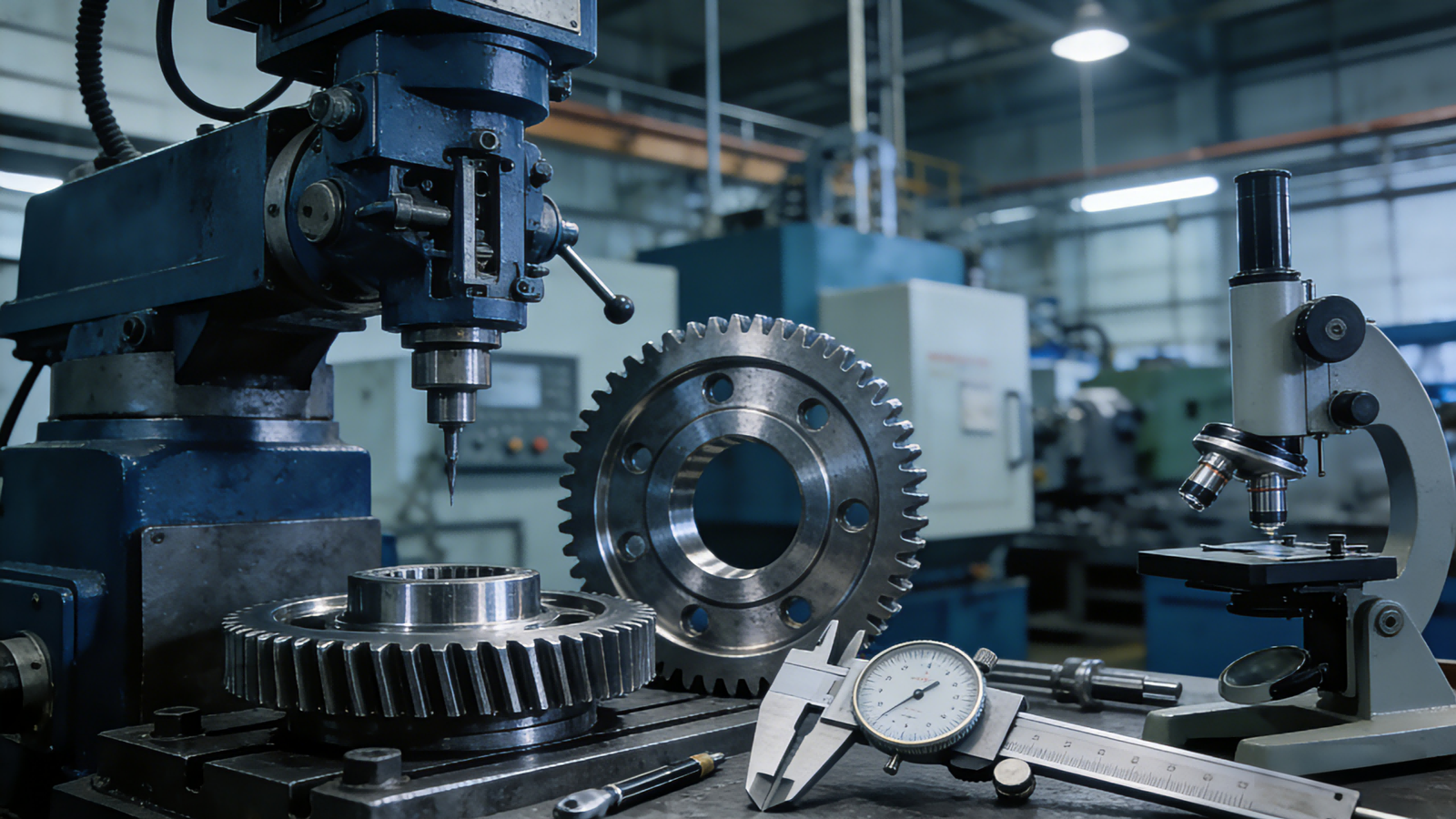
Поиск надежного литейного завода в разных странах мира может показаться похожим на путешествие по минному полю. Для специалистов по закупкам в промышленности проверка зарубежных производителей литья является наиболее важным шагом, позволяющим обеспечить высокое качество металлических деталей, избежать дорогостоящих задержек и защитить всю цепочку поставок. Нельзя просто положиться на хорошо оформленный веб-сайт или дешевое первоначальное предложение. Чтобы отделить ведущие литейные предприятия от ненадежных посредников, необходим системный подход. Именно поэтому мы составили этот всеобъемлющий пошаговый контрольный список, который поможет вам провести аудит, оценку и уверенно выбрать подходящего глобального партнера для ваших литейных проектов.
Ваше пошаговое руководство по снижению рисков, обеспечению качества и надежной закупке металлических деталей.
Инженерная группа Ханьхай
Mar 17, 2026 - 6 min read
Содержание
- 1. Почему строгий процесс проверки имеет решающее значение для закупок кастинга
-
2. Окончательный контрольный список: 5 шагов к проверке зарубежных производителей кастинга
- Шаг 1: Проверьте легальность (реальный литейный завод против торговой компании)
- Шаг 2: Оценка технических возможностей и методов литья
- Шаг 3: Аудит обеспечения качества (QA) и испытательных центров
- Шаг 4: Оцените производственные мощности и сроки выполнения заказа
- Шаг 5: Коммуникация, язык и послепродажная поддержка
- 3. Общие красные флажки при закупке металлических отливок за рубежом
- 4. Начните свой следующий проект с проверенным и надежным партнером по литейному производству
1. Почему строгий процесс проверки имеет решающее значение для закупок кастинга
В отличие от покупки готовых компонентов, изготовление металлических отливок на заказ - очень сложный процесс. Он включает в себя дорогостоящую предварительную оснастку, точный металлургический контроль и обширные вторичные операции, такие как обработка на станках с ЧПУ. Если вы выберете неправильного поставщика, затраты на переключение - как в виде денег, так и в виде потерянного времени - будут огромными. Одна партия бракованных деталей со скрытой пористостью или неправильным химическим составом материала может остановить всю сборочную линию.
В связи с техническими рисками обычной проверки биографии недостаточно. Для менеджеров по закупкам систематический подход к проверке зарубежных производителей литья является обязательным шагом для защиты цепочки поставок, обеспечения постоянного качества и долгосрочной стабильности цен.
2. Окончательный контрольный список: 5 шагов к проверке зарубежных производителей кастинга
Чтобы отделить лидирующие в отрасли литейные производства от ненадежных посредников, используйте этот 5-шаговый контрольный список при оценке следующего потенциального глобального партнера.
Шаг 1: Проверьте легальность (реальный литейный завод против торговой компании)
Многие профили поставщиков в Интернете принадлежат торговым компаниям, выступающим в роли посредников. Хотя у трейдеров есть свое место, работа напрямую с литейным заводом, таким как HanHai Casting, обеспечивает лучшие цены, прямую техническую связь и более строгий контроль качества.
-
Проверка документации: Указывают ли их лицензии на ведение бизнеса и сертификаты ISO на сферу производства, и совпадают ли адреса с местонахождением завода?
-
Виртуальный тур по фабрике: Готовы ли они провести видеосвязь в прямом эфире с демонстрацией реального цеха, печей и процессов заливки?
-
Прямая связь: Вы разговариваете с представителем завода или сторонним брокером?
Шаг 2: Оценка технических возможностей и методов литья
Не все литейные заводы созданы одинаковыми. Завод, специализирующийся на производстве 100-килограммовых чугунных отливок из песка, может быть не приспособлен для работы с 10-граммовыми прецизионными стальными отливками по выплавляемым моделям. Вы должны убедиться, что их ключевые компетенции соответствуют вашему плану.
-
Процесс литья: Специализируются ли они на конкретном методе, который требуется для изготовления вашей детали (например, литье по выплавляемым моделям, литье в песчаные формы, литье под давлением)?
-
Степень материала: Могут ли они точно отлить нужные вам сплавы (углеродистая сталь, нержавеющая сталь, ковкий чугун, алюминий)?
-
Ограничения по размеру и весу: Попадает ли ваша деталь в оптимальный диапазон производственных весов и размеров?
-
Услуги с добавленной стоимостью: Предлагают ли они обработку на станках с ЧПУ, термообработку и финишную обработку поверхности, чтобы получить готовые к использованию детали?
Шаг 3: Аудит обеспечения качества (QA) и испытательных центров
В литейной промышленности важнее всего то, что вы не видите. Внутренняя усадка, газовая пористость и неправильный химический состав - наиболее распространенные причины выхода деталей из строя. Надежный поставщик должен иметь оборудование для обнаружения этих дефектов перед отправкой.
-
Химический анализ: Есть ли у них собственный спектрометр для проверки расплавленного металла перед заливкой?
-
Неразрушающий контроль (NDT): Могут ли они проводить рентгенографию, ультразвуковой контроль (UT) или контроль магнитных частиц (MPI) для проверки внутренних дефектов?
-
Механические испытания: Есть ли у них оборудование для испытаний на растяжение, текучесть и твердость?
-
Документация: Предоставят ли они полные отчеты об испытаниях материалов (MTR) и отчеты о проверке размеров вместе с вашей партией?
Шаг 4: Оцените производственные мощности и сроки выполнения заказа
Поставщик может изготовить идеальный образец, но сможет ли он удовлетворить ваши требования к объему, когда начнется массовое производство? Вам нужен партнер, который может масштабироваться вместе с вашим бизнесом.
-
Разработка инструментария: Каково среднее время выполнения заказа на проектирование пресс-формы и проверку первого образца (FSI)?
-
Ежемесячная производительность: Каков максимальный месячный объем заливки и какой процент от этого объема забронирован в настоящее время?
-
Гибкость: Как они справляются со срочными заказами или внезапным увеличением объема в пиковые сезоны?
Шаг 5: Коммуникация, язык и послепродажная поддержка
Трансграничные закупки часто терпят неудачу из-за плохой коммуникации, а не из-за технической неспособности. Вам нужен партнер, который разбирается в инженерной терминологии и отстаивает свою работу.
-
Технический английский: Есть ли у них инженеры, которые могут свободно обсуждать чертежи CAD, допуски и требования GD&T на английском языке?
-
Время отклика: Отвечают ли они на электронные письма и запросы в течение 24 часов?
-
Политика в отношении дефектов: Если дефектная деталь попадает на ваше предприятие, какова официальная процедура анализа первопричины (отчет 8D) и замены?
3. Общие красные флажки при закупке металлических отливок за рубежом
Проверяя зарубежных производителей литья, обратите внимание на эти важные предупреждающие знаки:
- "Ценообразование "Слишком хорошо, чтобы быть правдой": Если цена значительно ниже, чем в среднем по рынку, поставщик, скорее всего, снижает качество металлолома, инструментальных материалов или процессов контроля качества.
- Неясные качественные ответы: Если они говорят, что "у нас строгий контроль качества", но не могут предоставить фотографии спектрометра или оборудования для КИМ, скорее всего, они передают свои испытания на аутсорсинг.
- Отказ от внесения изменений в чертежи: Профессиональное литейное производство часто предлагает незначительные изменения в конструкции (углы чернового литья, изменение толщины стенок) для повышения технологичности. Поставщик, который слепо принимает несовершенную конструкцию без вопросов, - это главный тревожный сигнал.
4. Начните свой следующий проект с проверенным и надежным партнером по литейному производству
Поиск надежного поставщика не обязательно должен быть авантюрой. В компании HanHai Casting мы понимаем, какие строгие стандарты требуются профессионалам в области промышленных закупок. От передовых спектрометрических и NDT-тестов до прецизионной обработки на станках с ЧПУ - наш завод создан для того, чтобы пройти все пункты вашего контрольного списка.
Мы гордимся прозрачным общением, проверенным контролем качества и своевременной поставкой высокопроизводительных металлических деталей.

 English
 Русский
 العربية
 Español
 Français
 简体中文
简体中文