


Green Foundry Practices Checklist is more than a sustainability slogan—it’s a practical, cost-focused playbook. In this post, you’ll get 12 actionable improvements that reduce energy consumption, scrap and rework, and emissions, so your foundry can lower environmental impact while protecting margins.
A Practical, ROI-Focused Guide for Modern Steel Foundries
This article introduces a practical Green Foundry Practices Checklist to reduce energy use, lower scrap, and cut operating costs through measurable, process-driven improvements.
Hanhai Engineering Team
Published on February 28, 2026
目录
In heavy steel casting operations, energy is not just a utility expense—it is directly tied to melting efficiency, scrap rate, and rework frequency. Implementing a structured Green Foundry Practices Checklist is essential for optimizing these factors.
1. Why Every Foundry Needs a Green Foundry Practices Checklist
1.1 The Real Cost Behind Energy and Scrap
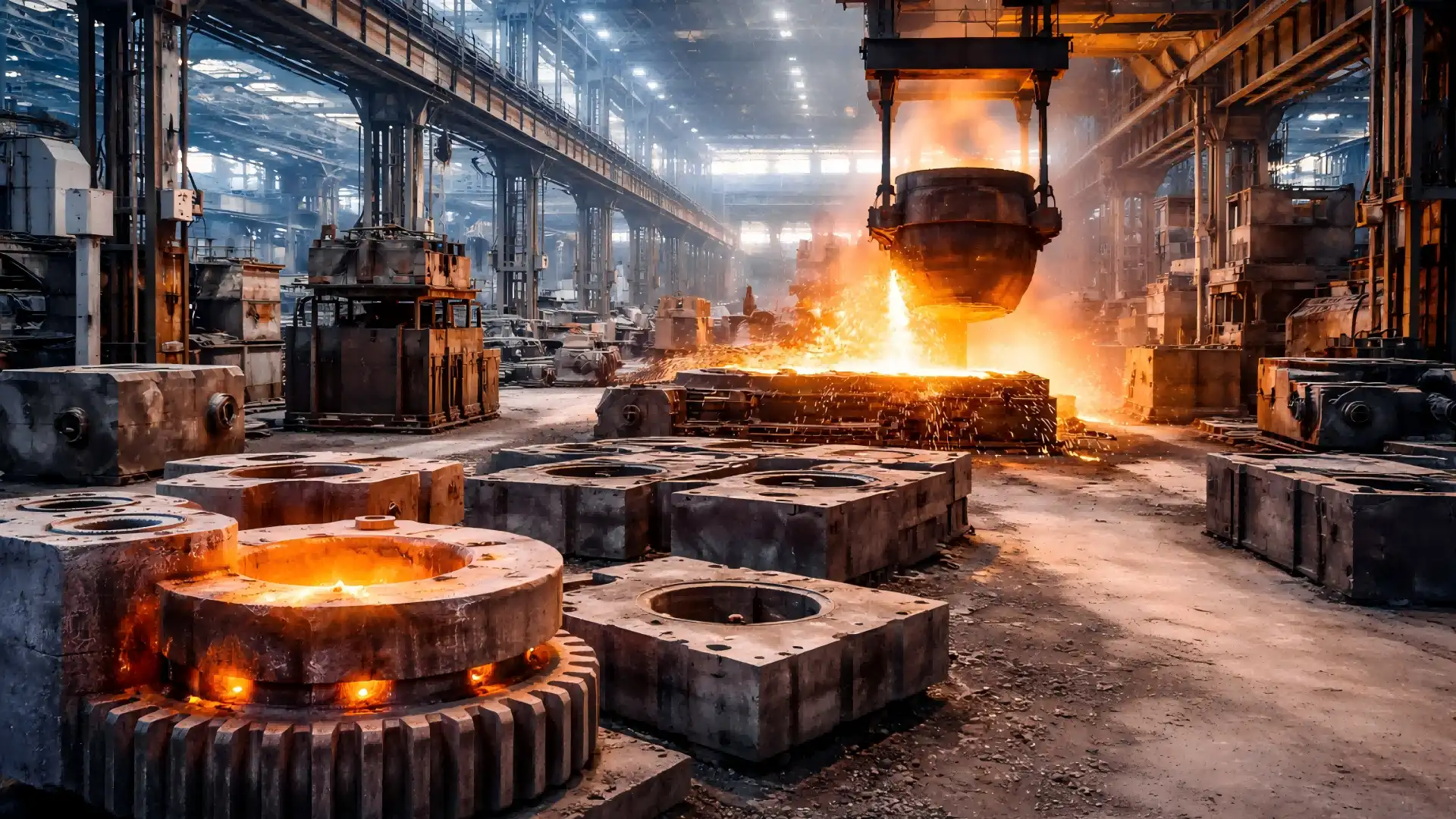
In heavy steel casting operations, energy is not just a utility expense—it is directly tied to melting efficiency, scrap rate, and rework frequency. A small increase in scrap does not only waste raw materials; it doubles energy consumption due to remelting.
A structured Green Foundry Practices Checklist helps identify where hidden energy losses occur:
- Excessive superheat margins
- Long furnace holding time
- High return scrap ratios
- Unstable sand properties leading to defects
When scrap increases by just 2–3%, total production cost can rise significantly due to remelting power, labor, alloy correction, and delayed delivery.
1.2 Sustainability as a Competitive Advantage
Environmental compliance is no longer just regulatory pressure. Buyers increasingly evaluate suppliers based on:
- Emission control systems
- Energy efficiency
- Waste reduction strategy
- Process stability
A well-documented Green Foundry Practices Checklist shows that sustainability is embedded in operational control—not treated as marketing language. For international buyers, this reduces supply chain risk and strengthens long-term cooperation.
2. The 12 Green Foundry Practices That Cut Energy, Scrap, and Operating Cost
2.1 Energy Optimization in Melting and Holding
Energy consumption per ton is the core indicator of foundry efficiency. Key actions include:
- Optimize charge mix to increase metallic yield
- Control superheat within stable process windows
- Minimize furnace idle holding time
- Install VFDs on high-load motors
- Inspect compressed air systems for leaks
These measures directly reduce kWh per ton and lower operating cost without major capital investment.
2.2 Scrap Reduction Through Process Stability
Scrap reduction is often the fastest way to cut both cost and carbon footprint. Critical improvements:
- Improve gating and riser design to reduce shrinkage
- Standardize pouring temperature range
- Use defect Pareto analysis to focus on top recurring issues
- Stabilize sand moisture, AFS, and binder dosage
Higher first-pass yield means less remelting, lower alloy loss, and improved delivery reliability.
2.3 Sand and Emission Control Improvements
Sand systems and emission control influence both cost and compliance risk.
- Improve sand reclamation to reduce new sand consumption
- Optimize binder levels to reduce VOC emissions
- Enhance fume capture efficiency without oversizing filtration systems
These steps reduce landfill waste, consumable cost, and environmental exposure simultaneously. Together, these 12 actions form a practical Green Foundry Practices Checklist that balances environmental responsibility with operational discipline.
3. Turning the Green Foundry Practices Checklist Into Measurable ROI
3.1 Tracking the Right KPIs
To convert sustainability into measurable business value, focus on:
- kWh per ton of casting
- Scrap rate (%)
- First-pass yield
- Sand consumption per ton
- Maintenance downtime
A properly implemented Green Foundry Practices Checklist improves these indicators systematically rather than randomly.
3.2 Simple Payback Calculation Logic
ROI can be calculated using three primary cost categories:
- Energy savings per ton × annual output
- Scrap reduction × material + remelting cost
- Reduced downtime and maintenance expense
In many cases, process optimization measures show payback within 6–12 months, especially in induction melting environments. When environmental actions are linked to financial metrics, sustainability becomes a profit protection strategy rather than a cost burden.
4. Implementing the Green Foundry Practices Checklist in 90 Days
4.1 30-Day Quick Wins
Start with low-cost improvements:
- Furnace holding time control
- Compressed air leak inspection
- Sand moisture calibration
- Defect data standardization
These changes require limited capital but deliver immediate operational visibility.
4.2 Structured Upgrade Plan
Next, develop a 60–90 day roadmap:
- Motor system efficiency upgrades
- Sand reclamation enhancement
- Emission capture balancing
- Preventive maintenance scheduling
The key is structured execution. A documented Green Foundry Practices Checklist ensures accountability, measurable milestones, and long-term performance stability.
执行摘要
Environmental responsibility and cost reduction go hand-in-hand in the casting industry. By adopting a structured Green Foundry Practices Checklist, foundries can drastically cut energy consumption, lower scrap rates, and build a resilient, sustainable supply chain that appeals to global buyers.