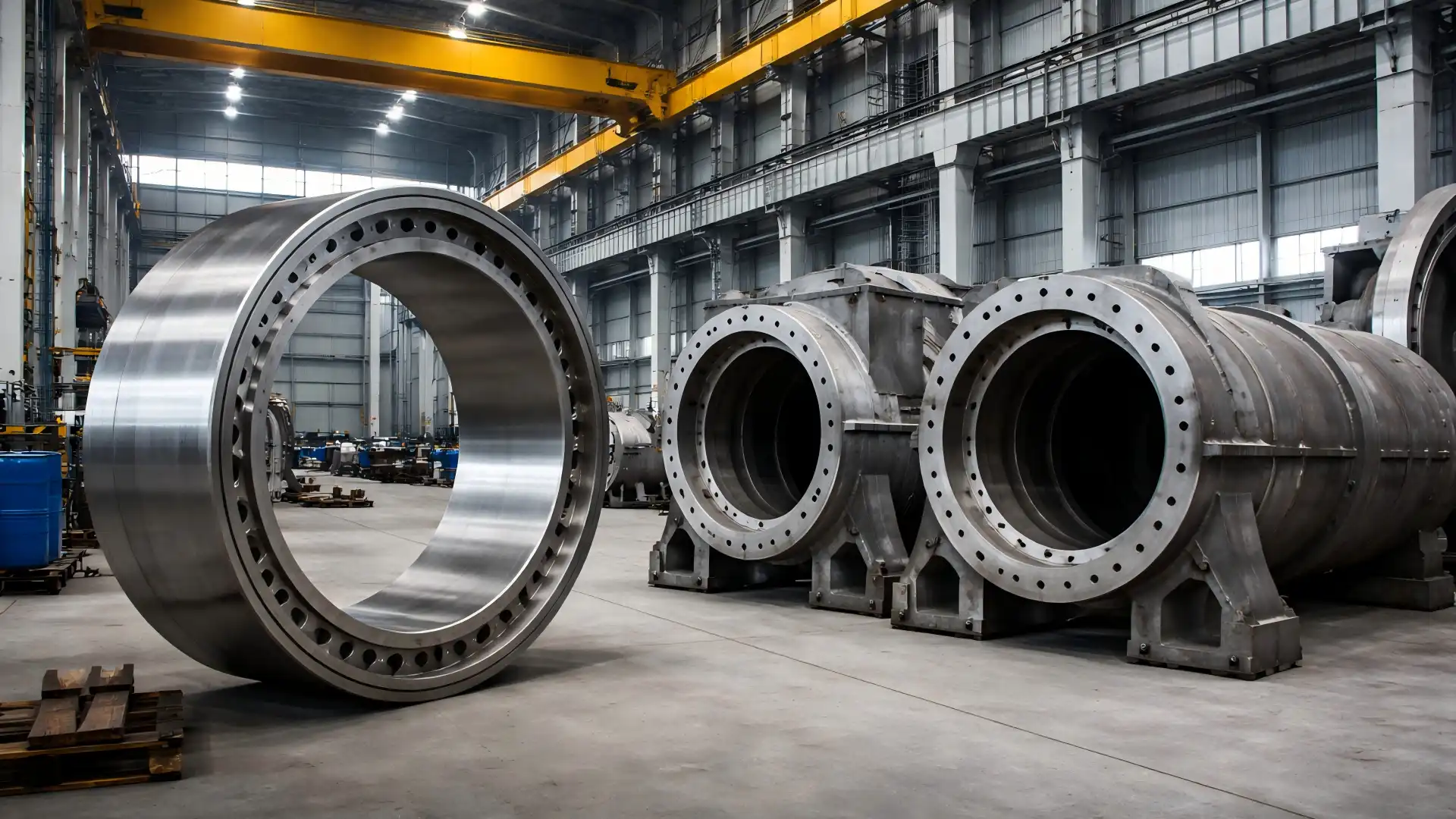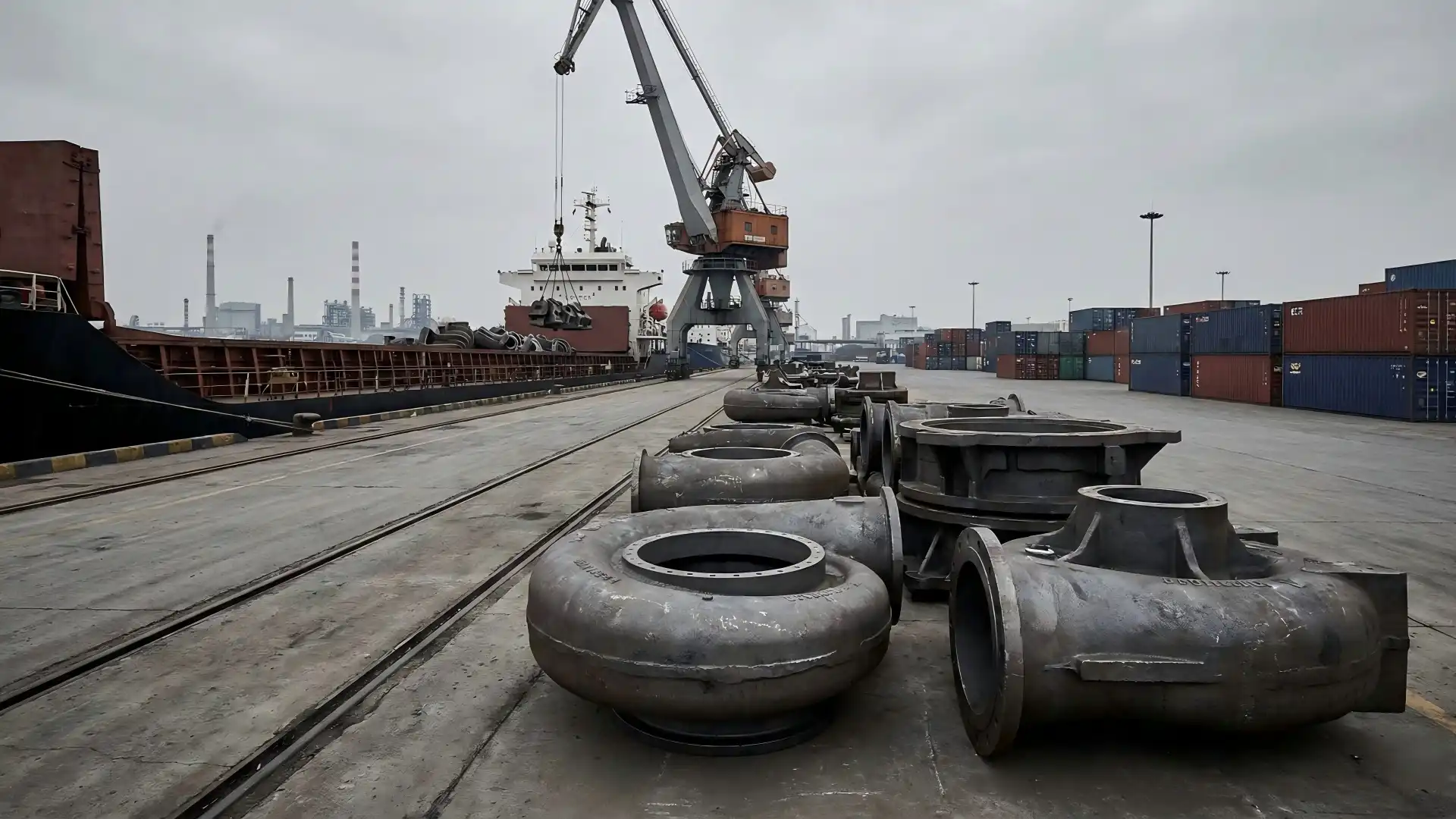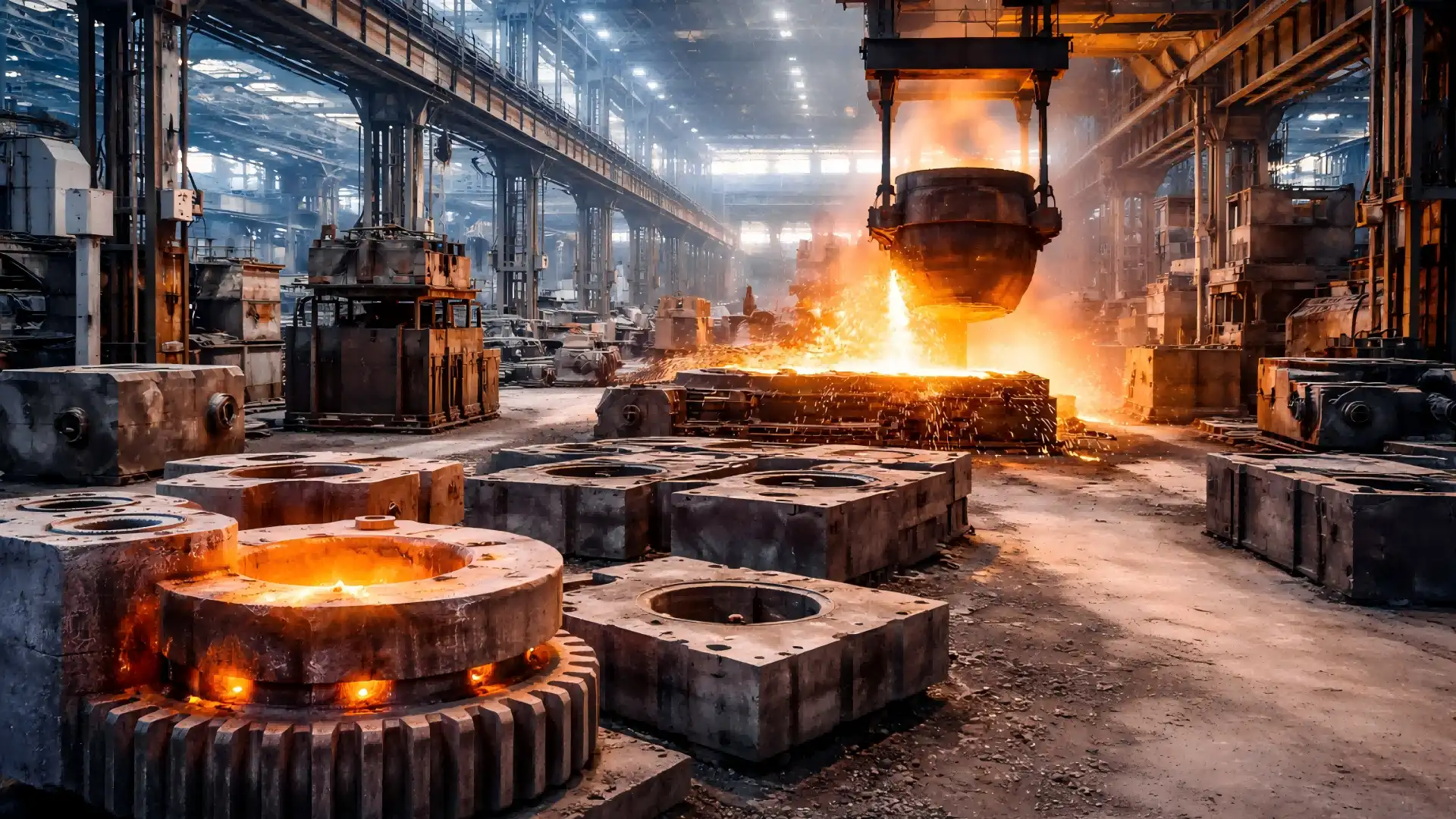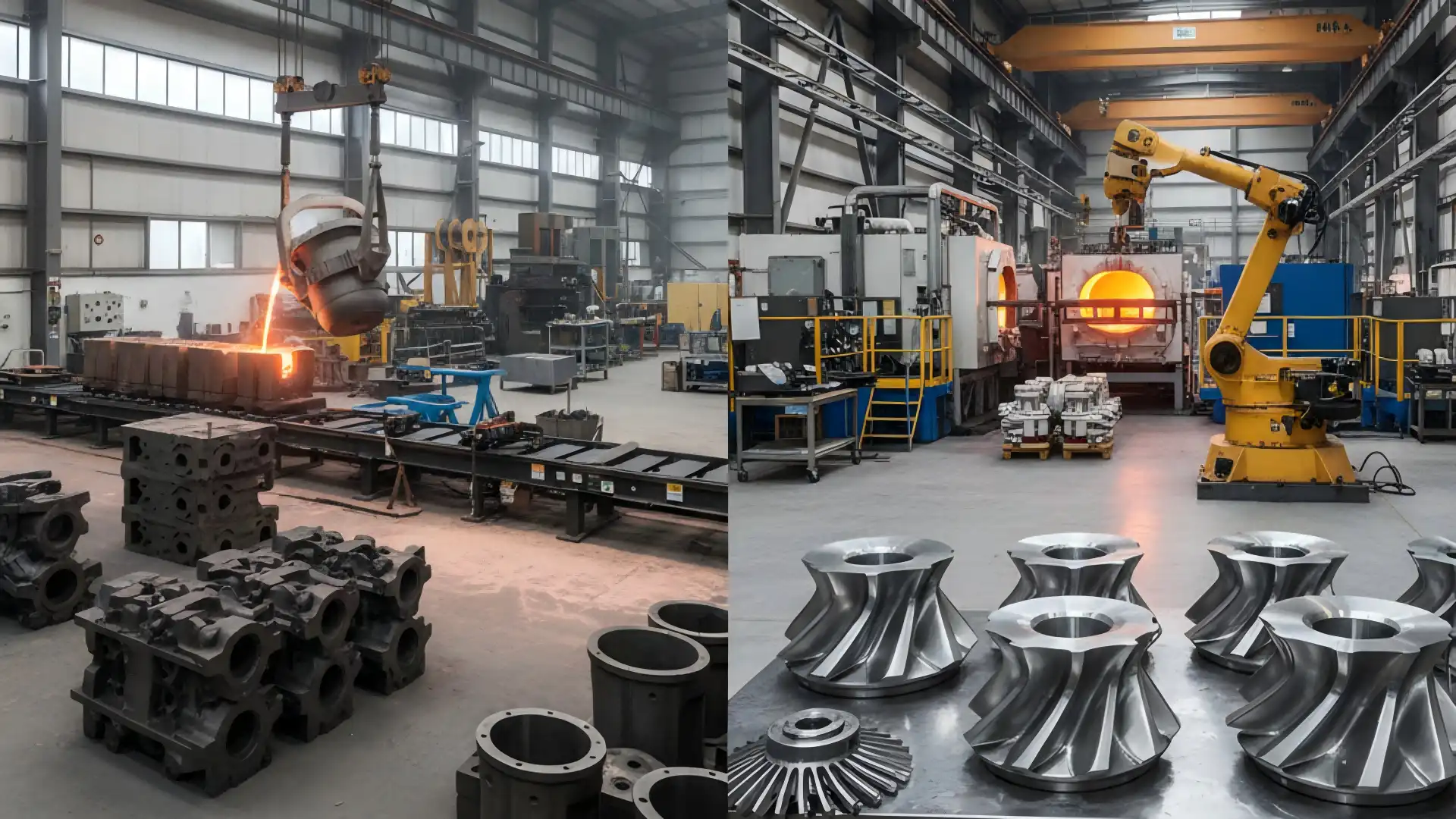



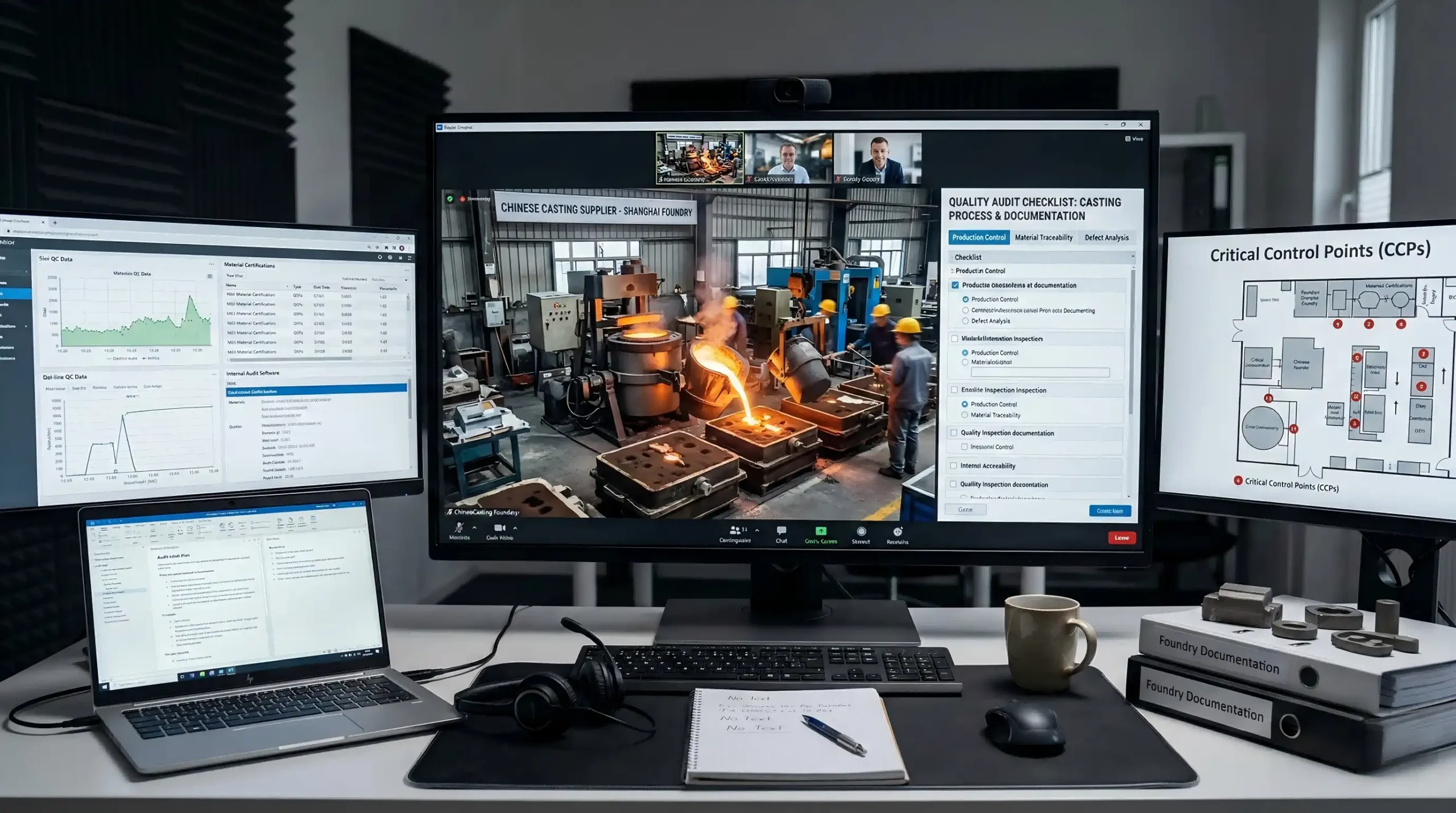
In global sourcing today, conducting a Remote Audit of Chinese Casting Suppliers has become an essential step for buyers who cannot visit factories in person. A structured remote audit helps verify production capabilities, evaluate quality control systems, and identify potential risks before large-volume casting orders are placed. When done properly, it not only reduces uncertainty but also strengthens long-term supplier partnerships.
A Practical Framework for Evaluating Production Capability, Quality Systems, and Risk Exposure in Global Casting Procurement
Table des matières
1. Why Remote Audits Matter in Casting Procurement
1.1 Limitations of On-Site Visits
For many international buyers, on-site factory audits are no longer as accessible as they once were. Travel restrictions, time constraints, and cost pressures often make physical inspections impractical—especially during early supplier screening stages.
In casting projects, where tooling investment and long production cycles are involved, selecting the wrong supplier can lead to serious delays and financial loss. A structured remote review process helps reduce uncertainty before major commitments are made.
1.2 Financial and Quality Risks in Casting Projects
Casting production involves multiple critical variables: material composition, melting control, mold preparation, heat treatment, machining precision, and non-destructive testing. A failure at any stage may result in dimensional defects, internal porosity, cracking, or mechanical deviations.
Conducting a structured Remote Audit of Chinese Casting Suppliers allows buyers to identify these risks before placing bulk orders.
2. Defining the Scope of a Remote Audit of Chinese Casting Suppliers
2.1 Production Capacity and Equipment Verification
A remote audit should confirm whether the supplier’s equipment and facilities match project scale. Buyers should review melting furnaces, molding systems, heat treatment facilities, machining workshops, and lifting equipment for large castings.
Live walkthroughs help verify whether production lines are genuinely operational and aligned with claimed annual capacity.
2.2 Quality Management and Certification Review
Quality systems determine long-term reliability. Buyers should request ISO certifications, inspection procedures, calibration records, and traceability documentation.
A supplier with structured documentation and standardized inspection processes is more capable of maintaining consistency in casting production.
3. Core Areas to Examine During the Audit
3.1 Process Control and Technical Documentation
Suppliers should provide process flow charts, casting simulation reports, mold design drawings, and control plans.
Incomplete documentation may indicate weak internal control. A mature foundry should clearly explain defect prevention methods, not only corrective actions.
3.2 Testing Capabilities and Traceability Systems
Casting quality depends heavily on testing infrastructure. Buyers should verify spectrometers, tensile testing machines, hardness testers, and non-destructive inspection equipment.
Equally important is batch traceability. Each casting should link back to material heat numbers and inspection records.
4. How to Conduct a Structured Remote Audit Step by Step
4.1 Pre-Audit Planning and Document Collection
Before the live session, buyers should request key documents in advance and prepare a structured checklist.
Without preparation, remote audits risk becoming informal factory tours rather than systematic evaluations.
4.2 Live Virtual Inspection and Technical Interviews
During the session, buyers should request real-time demonstrations of melting operations, molding lines, machining workshops, and laboratories.
Technical interviews with engineers are essential to evaluate problem-solving capability and process control depth.
5. Post-Audit Evaluation and Risk Control Strategy
After completing the audit, findings should be categorized into strengths, weaknesses, and potential risk factors.
Based on this evaluation, buyers can proceed with sample production, require corrective measures, or reconsider supplier selection.
Conclusion
While remote audits cannot fully replace on-site inspections, they significantly reduce sourcing uncertainty and strengthen long-term supplier management. A Remote Audit of Chinese Casting Suppliers should result in a structured assessment covering technical capability, quality systems, production capacity, and identified risks.