


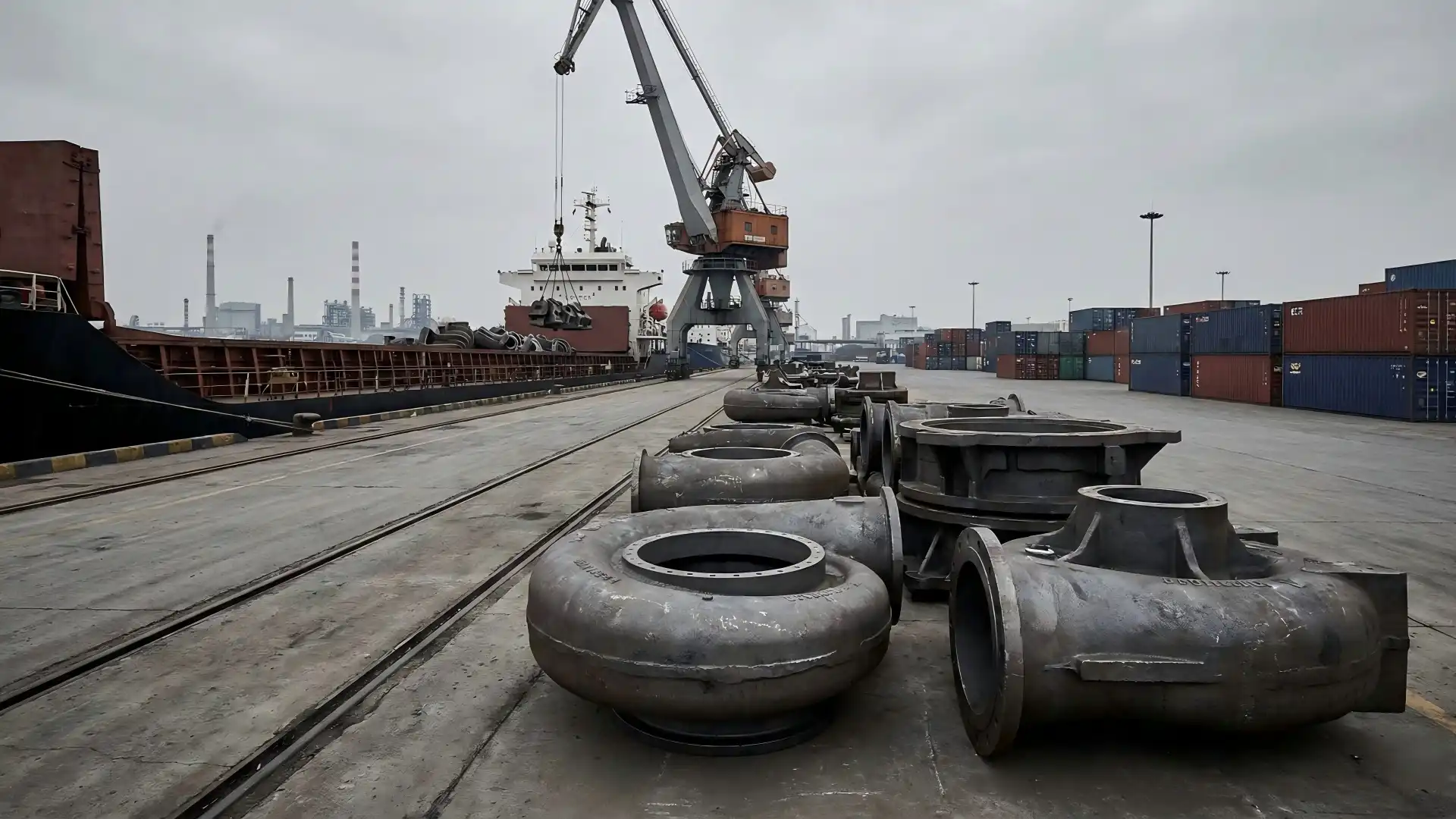
La politique chinoise de réduction des taxes à l'exportation continue d'influencer les coûts de fabrication mondiaux, et son impact potentiel en 2026 attire l'attention des acheteurs industriels. Alors que les signaux politiques remodèlent les structures de coûts et les stratégies d'approvisionnement, de nombreux partenaires étrangers observent l'évolution des prix des pièces moulées en acier lourd. Comprendre le lien entre les incitations à l'exportation, les tendances des matières premières et la demande internationale est essentiel pour les entreprises qui s'approvisionnent en pièces moulées industrielles de grande taille en Chine.
Table des matières
- 1. Qu'est-ce que la politique chinoise de remboursement des taxes à l'exportation et pourquoi est-elle importante pour les exportations de pièces moulées ?
- 2. Principaux facteurs de coût à l'origine des prix des pièces moulées en acier lourd en 2026
- 3. Comment les acheteurs mondiaux peuvent-ils être confrontés à des changements de prix et à des modifications de la chaîne d'approvisionnement ?
- 4. Perspectives stratégiques : Comment gérer les marchés publics de moulage dans un environnement politique en mutation ?
1. Qu'est-ce que la politique chinoise de remboursement des taxes à l'exportation et pourquoi est-elle importante pour les exportations de pièces moulées ?
1.1 Influence des remises à l'exportation sur la structure des coûts de fabrication
La politique chinoise de remboursement des taxes à l'exportation joue un rôle important dans la stabilisation de la compétitivité des industries orientées vers l'exportation. En compensant partiellement les coûts de la taxe sur la valeur ajoutée, cette politique aide les fonderies à maintenir des stratégies de prix équilibrées tout en gérant les dépenses de production. Pour les fournisseurs de pièces moulées en acier lourd, les structures de rabais influencent souvent la manière dont les devis sont calculés, en particulier pour les composants industriels de grande taille dont les cycles de production sont longs. Lorsque les politiques de rabais évoluent, les fabricants peuvent ajuster la répartition des coûts au niveau de l'approvisionnement en matériaux, de l'usinage ou de la planification logistique, ce qui peut progressivement affecter les prix des pièces moulées en acier lourd proposés aux acheteurs mondiaux.
1.2 Les ajustements politiques et leur effet direct sur la tarification internationale
Les changements de politique entraînent rarement des modifications instantanées des prix, mais ils peuvent remodeler la dynamique des négociations entre les fournisseurs et les équipes chargées des achats à l'étranger. Les incitations à l'exportation influencent les marges, et tout ajustement peut encourager les fonderies à affiner leurs modèles de prix plutôt que de procéder à des augmentations soudaines. Les acheteurs qui travaillent sur des projets d'exploitation minière ou de machinerie lourde doivent comprendre que les signaux politiques se traduisent souvent par une mise à jour des devis ou une révision des stratégies de livraison plutôt que par une augmentation directe des coûts.
2. Principaux facteurs de coût à l'origine des prix des pièces moulées en acier lourd en 2026
2.1 Sensibilité aux coûts des matières premières et de l'énergie
Les matières premières telles que les déchets d'acier, les éléments d'alliage et la consommation d'énergie restent des facteurs dominants dans la détermination des coûts de moulage. Les exigences de conformité environnementale et les tendances des prix de l'électricité influencent également les dépenses opérationnelles des fonderies. À mesure que la demande mondiale évolue, ces variables peuvent interagir avec les ajustements politiques, créant un environnement de prix plus complexe en 2026. Comprendre comment les coûts des matériaux évoluent parallèlement aux incitations à l'exportation permet aux acheteurs d'interpréter les fluctuations des prix des pièces moulées en acier lourd avec plus de clarté.
2.2 Remboursements d'impôts et marges de production pour les fonderies
Pour de nombreux fabricants de pièces moulées, les remises à l'exportation fonctionnent comme un mécanisme de stabilisation plutôt que comme un facteur direct de profit. Les fonderies donnent souvent la priorité au maintien de partenariats à long terme et à la compétitivité du marché, ce qui signifie que les ajustements de politique peuvent conduire à des raffinements progressifs des prix plutôt qu'à des changements radicaux. Dans la pratique, les fournisseurs peuvent optimiser l'étendue de l'usinage, les méthodes d'emballage ou les ensembles de services pour équilibrer les marges tout en maintenant les prix internationaux relativement stables.
3. Comment les acheteurs mondiaux peuvent-ils être confrontés à des changements de prix et à des modifications de la chaîne d'approvisionnement ?
3.1 Planification des achats en cas d'incertitude politique
Les acheteurs mondiaux qui s'approvisionnent en pièces de fonderie pour l'industrie lourde travaillent généralement sur des projets à long terme, ce qui rend la planification essentielle lorsque les politiques évoluent. Le maintien d'une communication claire avec les fournisseurs sur les futurs calendriers de production, la disponibilité des matériaux et les structures des devis peut réduire le risque d'ajustements inattendus des coûts. En alignant les stratégies d'approvisionnement à un stade précoce, les entreprises peuvent gérer l'incertitude tout en maintenant des résultats stables en matière d'approvisionnement.
3.2 Équilibrer les coûts, les délais et la qualité dans les projets de fonderie lourde
Bien que le prix soit un facteur clé, de nombreux acheteurs internationaux accordent de plus en plus d'importance à la fiabilité des fournisseurs et à la transparence de la production. Des délais de livraison stables et une qualité constante des pièces moulées l'emportent souvent sur de faibles variations des prix des pièces moulées en acier lourd. Une stratégie d'approvisionnement équilibrée qui tient compte de la rentabilité et de la performance à long terme permet de réduire les risques opérationnels dans le cadre de projets industriels complexes.
4. Perspectives stratégiques : Comment gérer les marchés publics de moulage dans un environnement politique en mutation ?
Alors que les politiques de détaxe à l'exportation continuent d'évoluer, les équipes chargées des achats doivent considérer les changements de prix dans le contexte plus large de la chaîne d'approvisionnement. Le suivi de l'évolution des politiques, le renforcement des partenariats avec les fournisseurs et l'évaluation des capacités de production peuvent aider les acheteurs à s'adapter aux changements du marché sans perturber le calendrier des projets.
Conclusion
En fin de compte, une communication proactive et une prise de décision éclairée restent les moyens les plus efficaces pour gérer les risques liés au sourcing tout en optimisant les prix des pièces moulées en acier lourd en 2026.