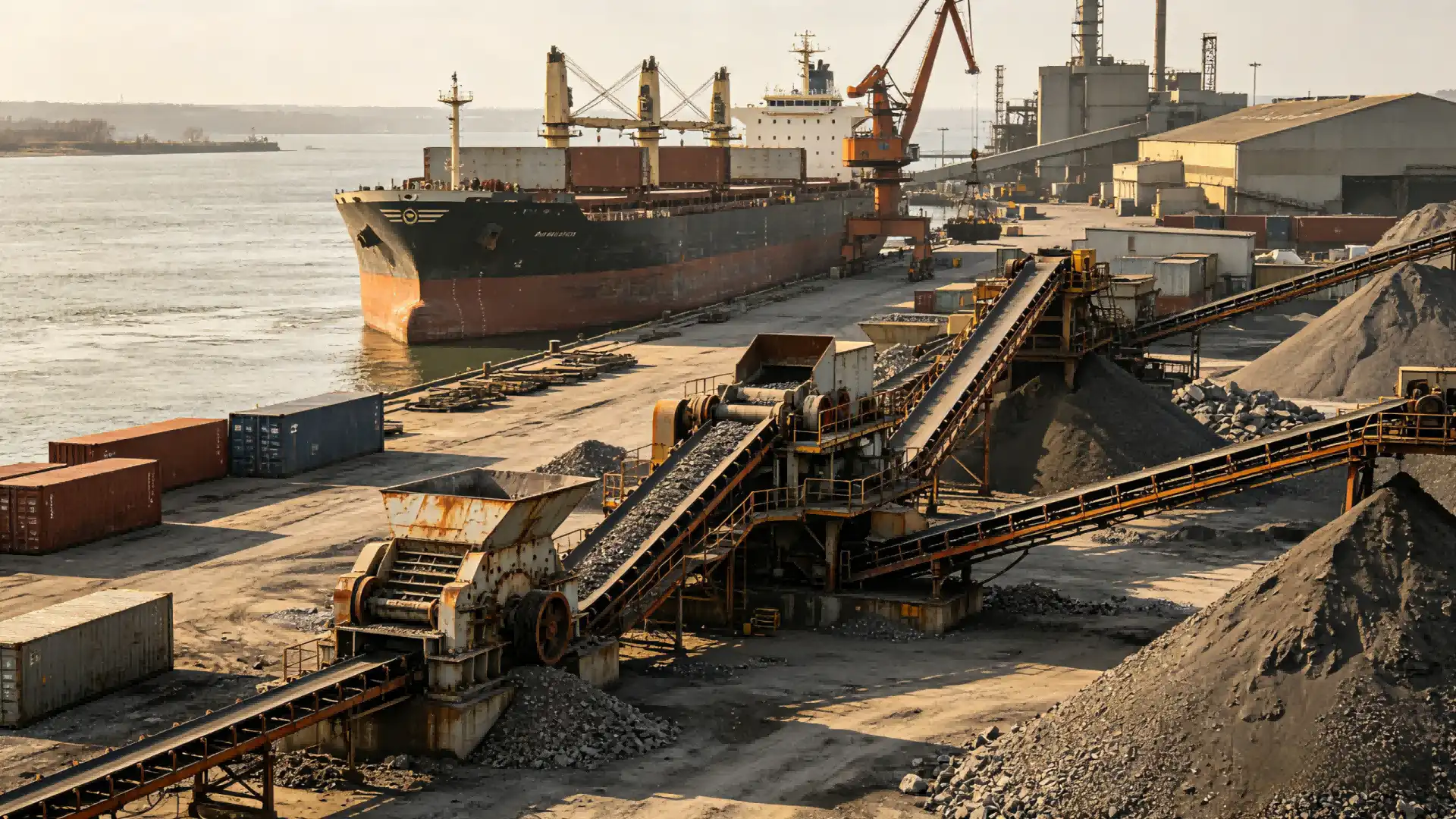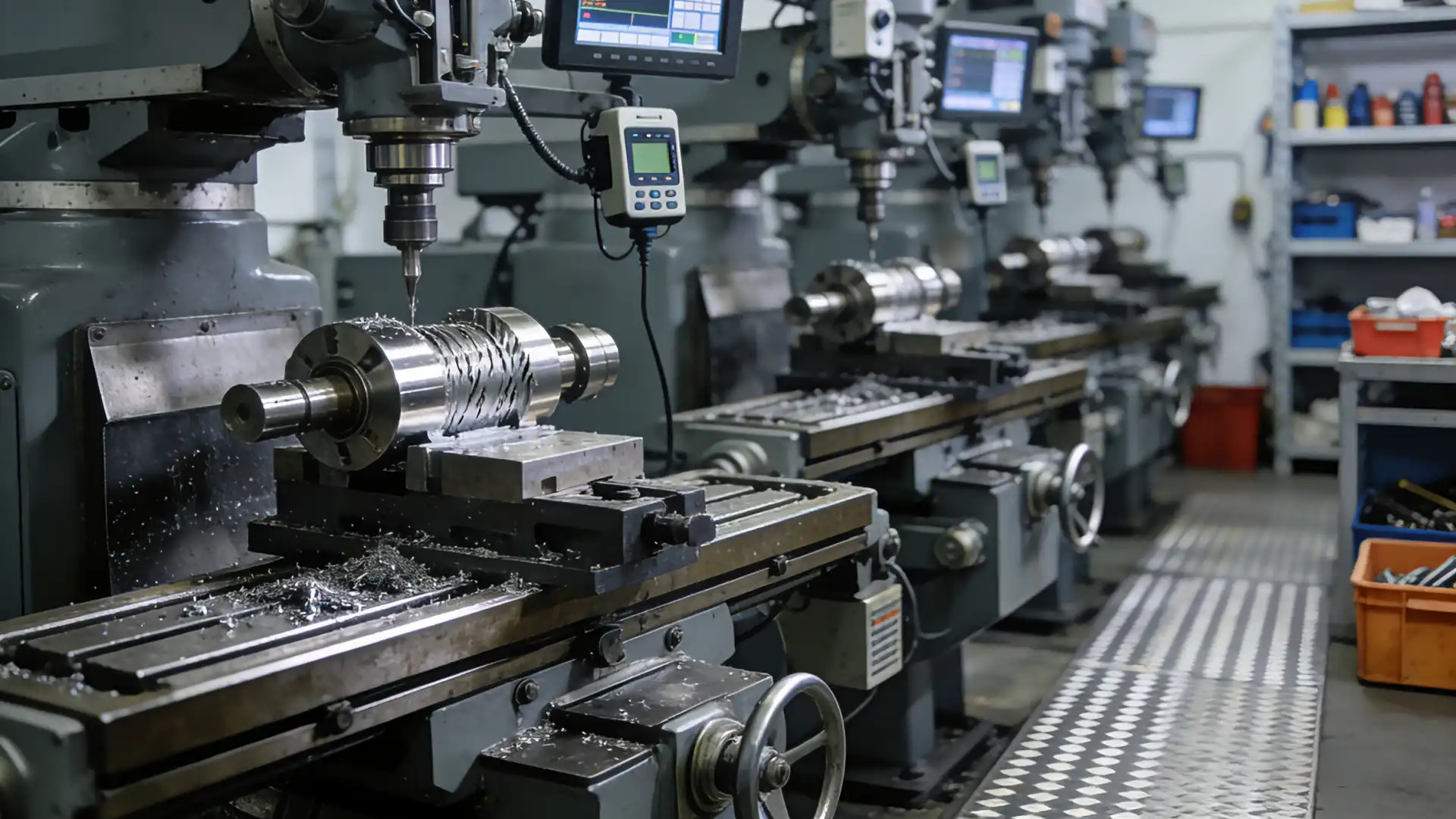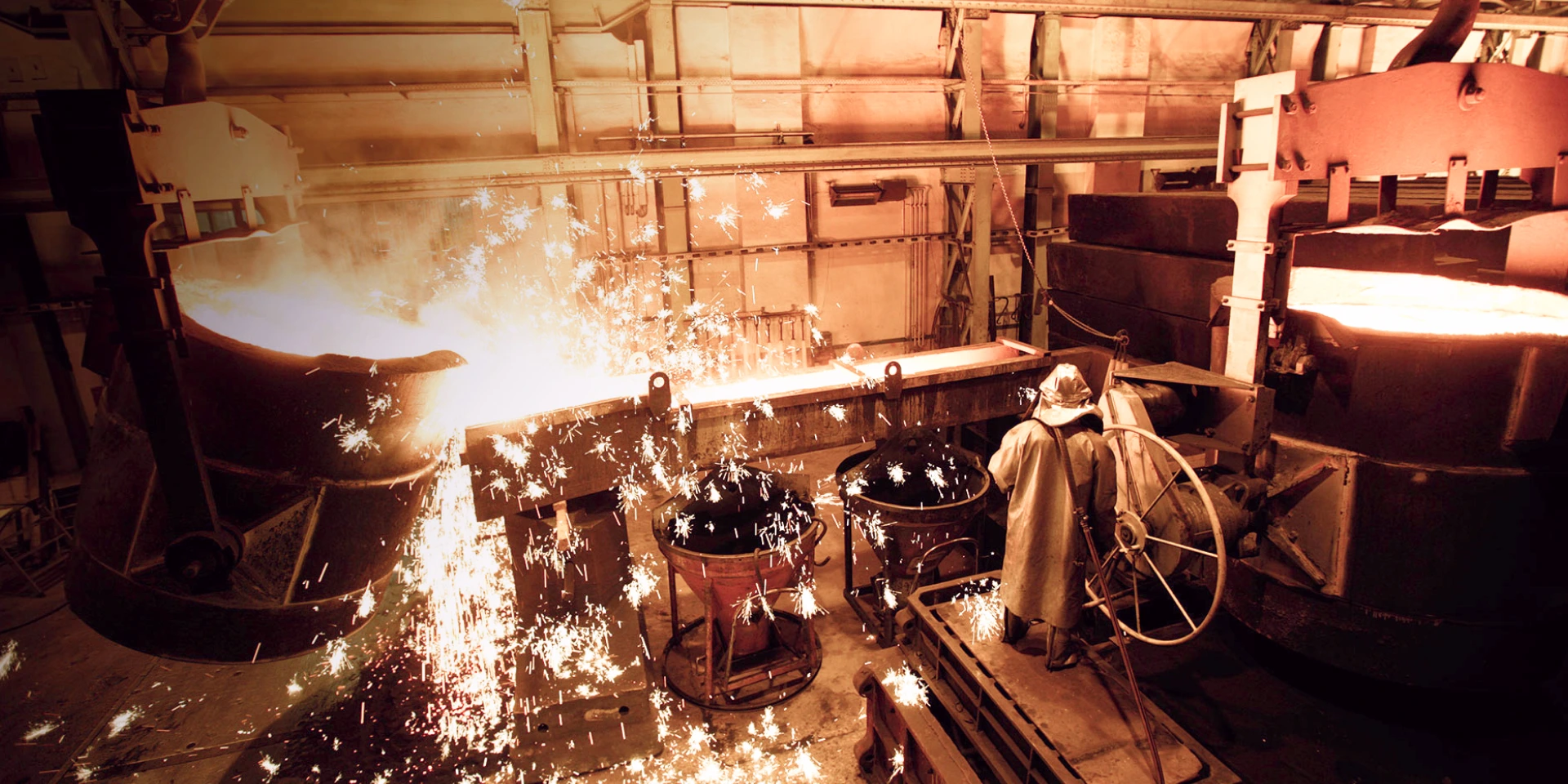



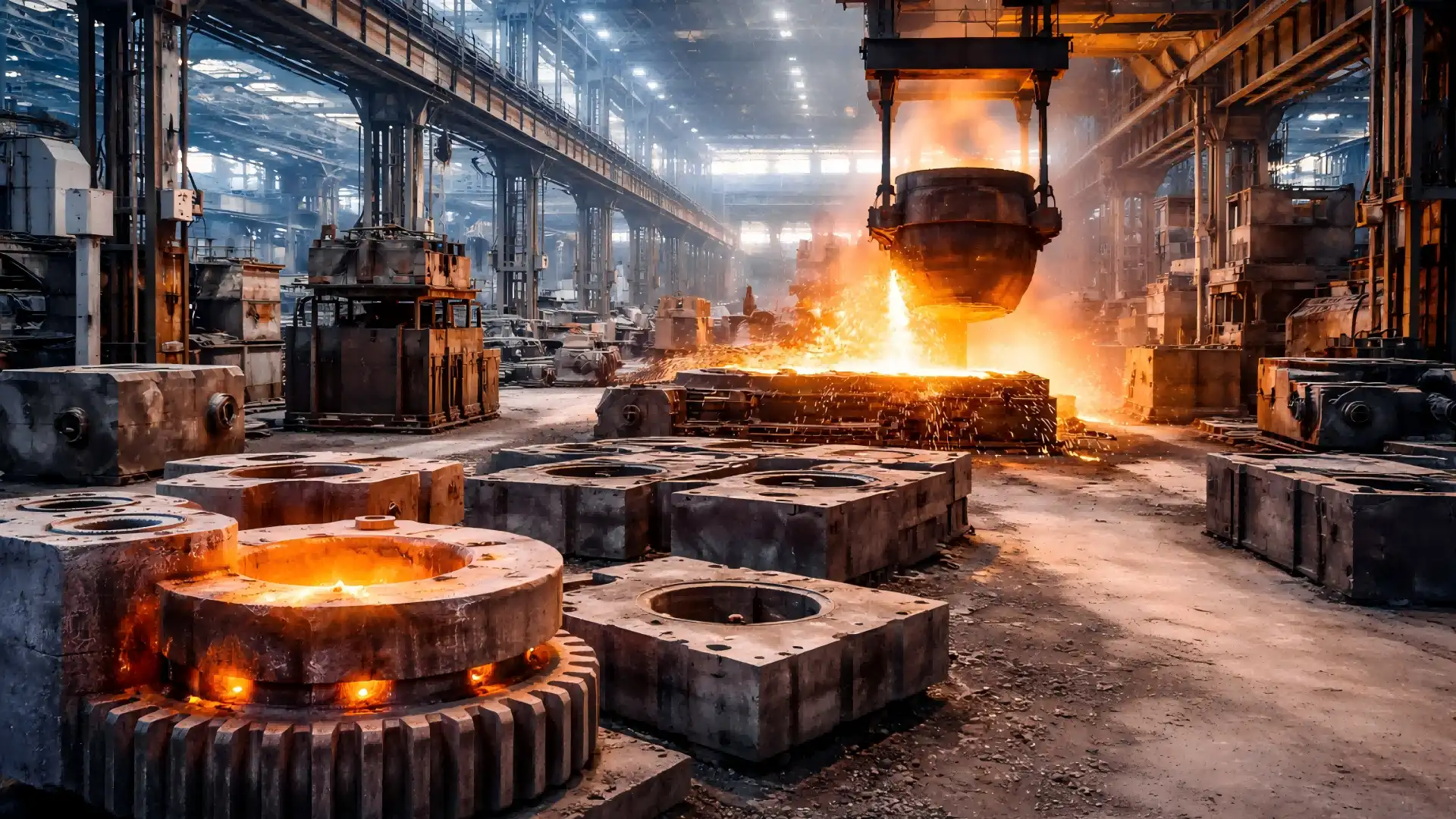
Understanding Material Specifications is essential when sourcing heavy steel castings for mining, steelmaking, and industrial equipment projects. Global buyers often encounter ASTM, DIN, and ISO standards that appear similar but differ in material grades, mechanical properties, and compliance requirements. Without a clear understanding of these systems, miscommunication and costly material mismatches can easily occur. This guide explains how these standards relate to each other and how to make more confident material decisions when working with international foundry partners.
Quick Navigation
1. What Are Material Specifications in Heavy Steel Castings?
Heavy steel castings are used in demanding industries such as mining, steelmaking, and heavy machinery manufacturing, where material performance directly affects safety and long-term reliability. Understanding Material Specifications is the first step in ensuring that cast components meet load requirements, wear resistance expectations, and international compliance standards. Material specifications define not only chemical composition but also mechanical properties, heat treatment conditions, and testing requirements.
1.1 Why Material Specifications Matter in Industrial Projects
In global sourcing, buyers often focus on drawings or dimensions while overlooking material standards. However, even small variations in specification requirements can lead to significant differences in tensile strength, impact resistance, or service life. For heavy steel castings exposed to extreme temperatures or heavy impact, choosing the correct specification helps reduce maintenance costs and avoid unexpected failures during operation.
1.2 Common Terms Used in ASTM, DIN, and ISO Standards
Different standard systems use different terminology to describe similar material properties. ASTM standards often emphasize performance testing, DIN standards provide detailed grade classifications, and ISO standards aim to create international alignment. Understanding these terms helps engineers and procurement teams communicate more clearly with foundry partners and avoid misunderstandings during technical discussions.
2. Understanding ASTM DIN and ISO Standards for Steel Castings
When sourcing cast steel components globally, ASTM, DIN, and ISO are the most commonly referenced standard systems. Each system reflects regional engineering practices and regulatory expectations. Understanding Material Specifications across these standards allows buyers to compare materials more effectively rather than assuming they are directly interchangeable.
2.1 Key Characteristics of ASTM Standards
ASTM standards are widely used in North America and focus heavily on performance-based testing requirements. For heavy steel castings, ASTM specifications often include strict guidelines on chemical composition ranges, mechanical testing procedures, and heat treatment documentation. Many global buyers prefer ASTM because it clearly defines acceptance criteria for industrial applications.
2.2 Key Characteristics of DIN Standards
DIN standards originate from Germany and are frequently used across European engineering projects. DIN material grades tend to include precise classification systems that help identify alloying elements and mechanical performance expectations. For castings used in structural or heavy-duty environments, DIN standards often emphasize consistency and traceability.
2.3 Key Characteristics of ISO Standards
ISO standards aim to harmonize international requirements and create common technical references. While ISO may not always replace regional standards, it provides a useful framework for comparing material performance across different markets. Many projects combine ISO documentation with ASTM or DIN grades to simplify cross-border procurement.
3. Key Differences Between ASTM DIN and ISO Material Specifications
Although these standards sometimes appear equivalent, they are developed under different engineering philosophies. Understanding Material Specifications requires looking beyond the material name and examining property requirements, certification methods, and testing criteria.
3.1 Mechanical Properties and Testing Requirements
One major difference lies in how mechanical properties are defined and verified. ASTM standards may specify minimum yield strength and impact testing procedures, while DIN standards often focus on structured grade systems tied to performance ranges. ISO standards provide general guidelines but may rely on regional testing practices depending on project requirements.
3.2 Certification and Documentation Differences
Documentation expectations also vary between systems. ASTM certifications frequently include mill test reports with detailed inspection data, while DIN documentation may emphasize material traceability and manufacturing processes. ISO documentation often acts as a reference layer rather than a complete specification, which means additional standards are still required in many heavy casting projects.
4. How to Choose the Right Material Specification for Your Project
Selecting the correct material specification is not simply a matter of matching numbers across different standards. Engineers must consider application conditions, load requirements, and environmental factors. Understanding Material Specifications helps buyers make more informed decisions and avoid costly sourcing mistakes when working with international foundries.
4.1 Selecting Standards Based on Application Needs
Projects involving high-impact or high-temperature environments may require stricter ASTM performance criteria, while European equipment designs often specify DIN grades. ISO standards can be useful when coordinating projects across multiple regions, especially when technical teams need a shared reference point.
4.2 Avoiding Common Specification Mistakes in Global Sourcing
One of the most common mistakes in heavy steel casting procurement is assuming that similar material names guarantee identical performance. Differences in testing methods, allowable tolerances, or heat treatment processes can significantly affect final results. Working closely with experienced foundry partners and clearly defining material expectations at the quotation stage helps prevent misunderstandings and ensures smoother project execution.
Executive Summary
"Material specifications are the blueprint of quality. Whether using ASTM, DIN, or ISO, success in heavy steel casting relies on clear communication of mechanical properties, not just chemical composition."