



Heavy steel castings play a critical role in industries such as steelmaking, mining, energy, and heavy equipment manufacturing. Due to their large size and load-bearing function, heavy steel castings require strict quality control throughout production, along with reliable non-destructive testing (NDT) standards to ensure structural integrity and long-term performance. This article explains how Chinese foundries manage quality inspection processes and apply NDT standards to meet international buyer requirements.
Quality control and NDT requirements for heavy steel castings in Chinese foundries
- 1. Material Verification and Chemical Composition Control
- 2. Process Control During Heavy Steel Casting Production
- 3. Non-Destructive Testing (NDT) Standards
- 3.1 Internal Defect Detection (UT & RT)
- 3.2 Surface and Near-Surface Inspection (MT & PT)
- 4. Dimensional Accuracy and Machining Inspection
- 5. Final Inspection, Documentation, and Buyer Acceptance
- 5.1 Quality Documentation and Inspection Records
- 5.2 Third-Party Inspection and Buyer Witnessing
1. Material Verification and Chemical Composition Control
Material verification is the first quality control step for heavy steel castings. Because these components are used in high-load applications, chemical composition must strictly match specified steel grades. Chinese foundries typically rely on spectrometric analysis and documented heat records to ensure that heavy steel castings meet ASTM, EN, or customer-defined material requirements, while maintaining full batch traceability.
2. Process Control During Heavy Steel Casting Production
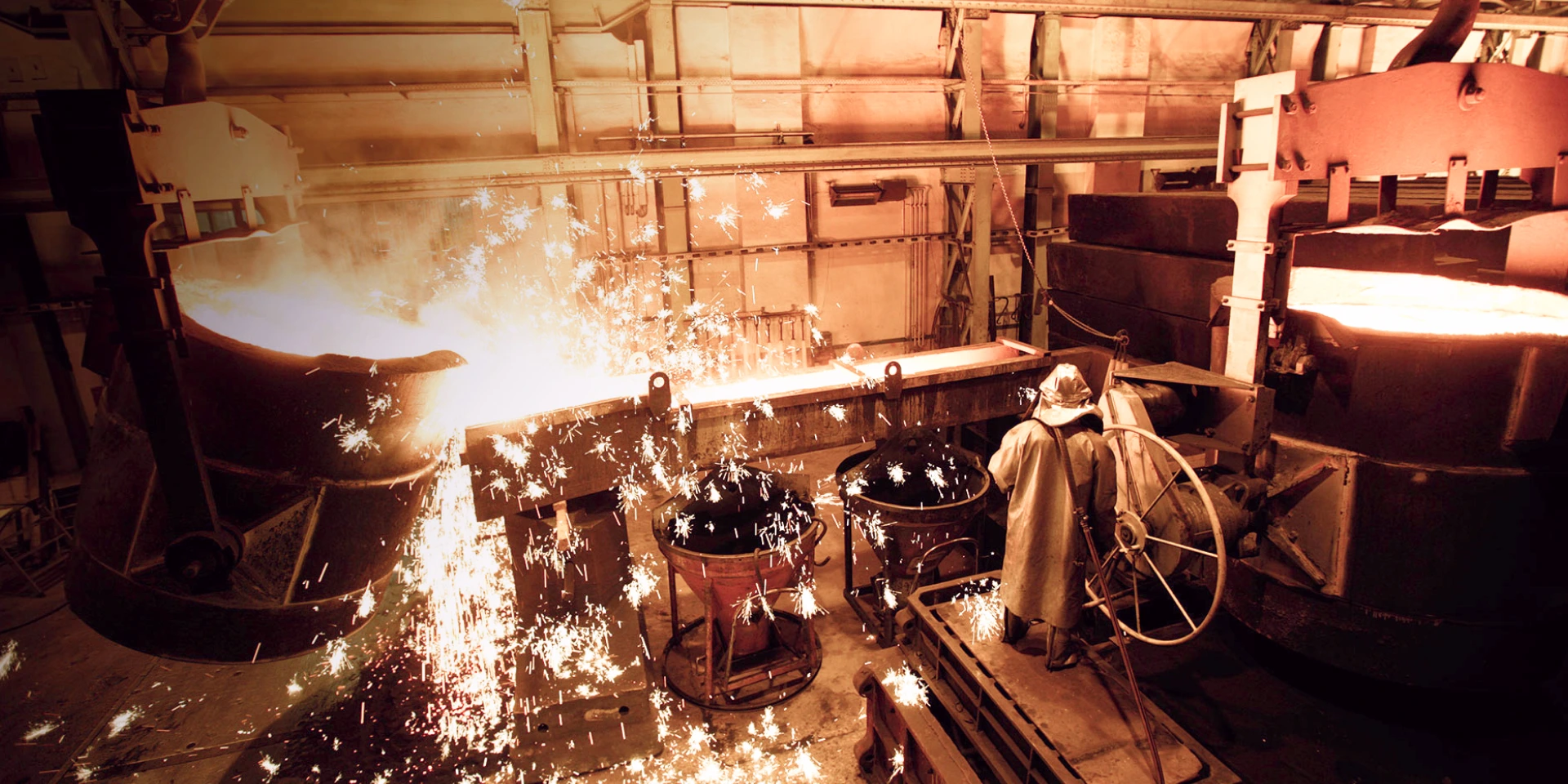
Stable process control is essential to achieve consistent quality in heavy steel castings. Key parameters such as melting temperature, pouring conditions, solidification behavior, and heat treatment directly influence internal soundness and mechanical properties. Well-controlled production processes help Chinese foundries reduce internal defects and performance variation in heavy steel castings before inspection begins.
3. Non-Destructive Testing (NDT) Standards for Heavy Steel Castings
3.1 Internal Defect Detection (UT & RT)
For heavy steel castings, ultrasonic testing (UT) and radiographic testing (RT) are commonly applied to detect internal defects such as shrinkage, inclusions, and cracks in thick sections. These methods allow foundries to verify internal integrity without damaging the casting.
3.2 Surface and Near-Surface Inspection (MT & PT)
Magnetic particle testing (MT) and penetrant testing (PT) are used to identify surface and near-surface defects in heavy steel castings, especially in stress-concentrated or machined areas. Proper inspection ensures surface quality meets acceptance criteria.
4. Dimensional Accuracy and Machining Inspection
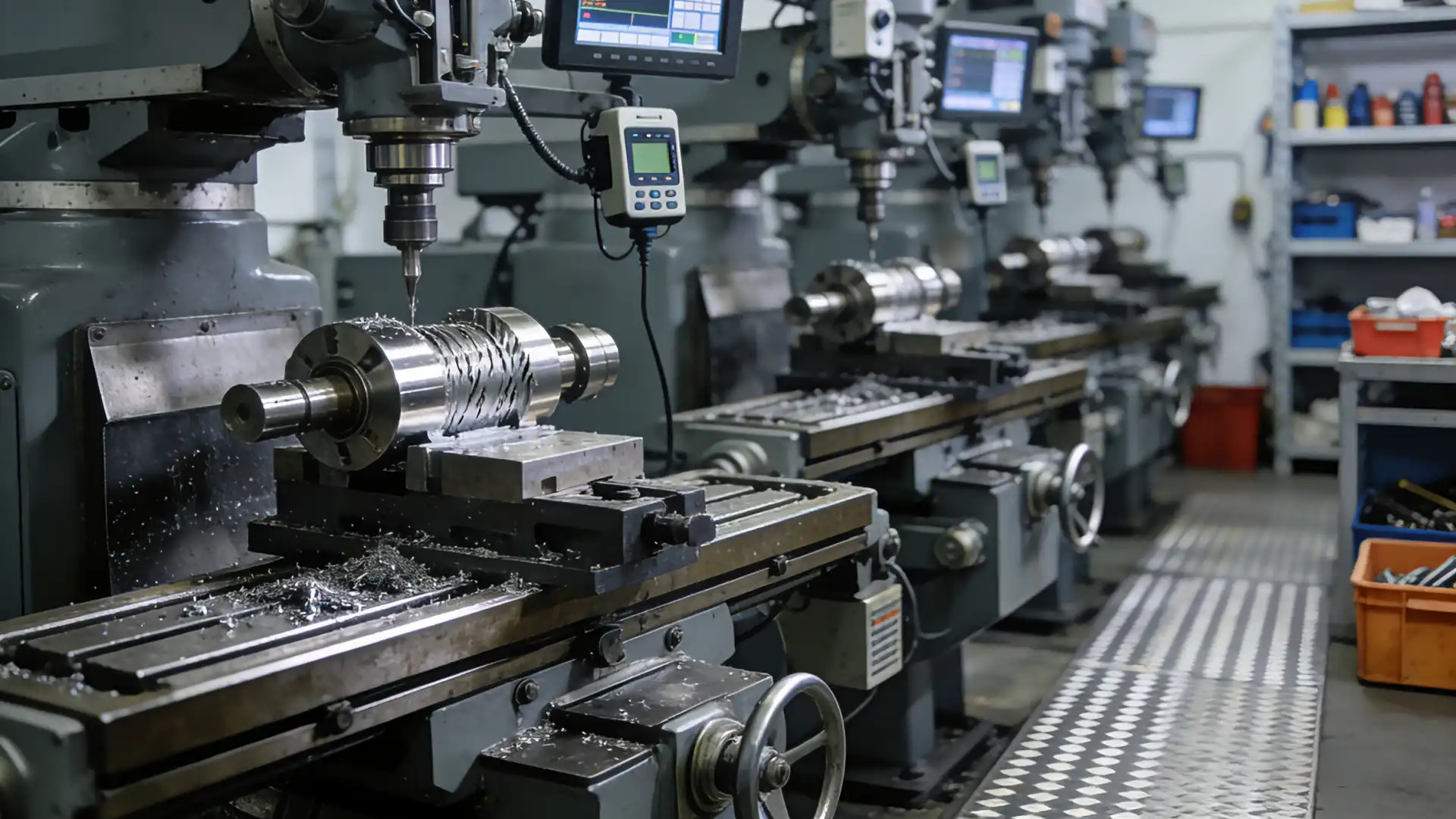
Dimensional inspection ensures that heavy steel castings meet drawing requirements before and after machining. Due to their large size, accurate tolerance control is critical for proper assembly and installation. Chinese foundries typically perform dimensional checks using templates, conventional measurement tools, or 3D inspection methods for complex heavy steel castings.
5. Final Inspection, Documentation, and Buyer Acceptance
5.1 Quality Documentation and Inspection Records
Complete inspection documentation for heavy steel castings usually includes material certificates, NDT reports, and dimensional records. Clear documentation allows buyers to verify compliance efficiently.
5.2 Third-Party Inspection and Buyer Witnessing
Third-party inspection and buyer witnessing provide additional assurance that heavy steel castings meet contractual and technical requirements before shipment.