



Table of Contents
1. Environmental Compliance Challenges in China Casting Supply Chains
1.1 Common Environmental Risks Buyers Should Know
Why Environmental Compliance Matters in China Casting Supply Chains often comes down to practical risks: emissions control, dust collection, waste sand handling, slag disposal, and wastewater treatment. If a supplier’s controls are weak, buyers may face audit findings, shipment delays, or sudden production pauses caused by inspections or corrective actions.
1.2 Why Non-Compliance Creates Long-Term Supply Chain Issues
Environmental non-compliance is not a one-time problem—it can trigger repeated disruptions. Suppliers under compliance pressure may reduce output, change processes without notice, or lose stable production conditions, which increases variability in lead time and consistency for overseas orders.
2. How Environmental Regulations Shape China’s Casting Industry
2.1 Key Environmental Regulations Affecting Casting Suppliers
China’s environmental governance has tightened across many industrial regions, meaning foundries are expected to operate with clearer permits, routine monitoring, and documented waste treatment. For buyers, the practical impact is simple: compliant suppliers are less likely to be interrupted, while non-compliant suppliers carry higher continuity risk.
2.2 Increasing Audit Pressure from Global Buyers
More global customers now link environmental compliance to supplier approval and ongoing sourcing. Audit checklists increasingly include waste management records, emissions controls, and site practices—so suppliers that cannot demonstrate control systems are more likely to fail qualification or lose repeat business.
3. The Role of ISO 9001 and ISO 14001 in Supplier Evaluation
3.1 How ISO 9001 Supports Process and Quality Control
ISO 9001 signals structured process control: documented procedures, traceability, corrective actions, and continuous improvement. While it is not an environmental standard, it helps buyers confirm that a supplier can manage processes consistently—reducing operational surprises during long-term cooperation.
3.2 How ISO 14001 Strengthens Environmental Management
ISO 14001 focuses directly on environmental management systems—identifying impacts, setting controls, tracking performance, and improving over time. In China casting supply chains, ISO 14001 is often a strong indicator that the supplier treats environmental compliance as a managed system rather than an informal practice.
4. How Buyers Can Select Environmentally Compliant Casting Suppliers
4.1 Practical Compliance Checks During Supplier Audits
Go beyond certificates. Ask to see environmental permits, waste transfer records, on-site treatment areas, and how the supplier controls dust, fumes, and wastewater. A reliable supplier can explain processes clearly, provide consistent documentation, and show stable site practices that match what’s written.
4.2 Building Long-Term, Low-Risk Casting Partnerships
Choose suppliers who treat compliance as part of operations, not an “audit-only” task. Over time, environmentally compliant foundries tend to be more resilient to regulation changes, less likely to face sudden shutdowns, and better positioned for stable lead times—key factors for long-term sourcing success.
Conclusion
Environmental compliance in China is a dynamic and rigorous field. By prioritizing suppliers who embrace these standards, global buyers can turn compliance from a risk factor into a competitive advantage.

5 Key Quality Control & NDT Standards for Heavy Steel Castings in Chinese Foundries
Understanding the critical NDT methods like UT, MT, and RT is essential for ensuring the integrity of large-scale heavy steel components...
Read More →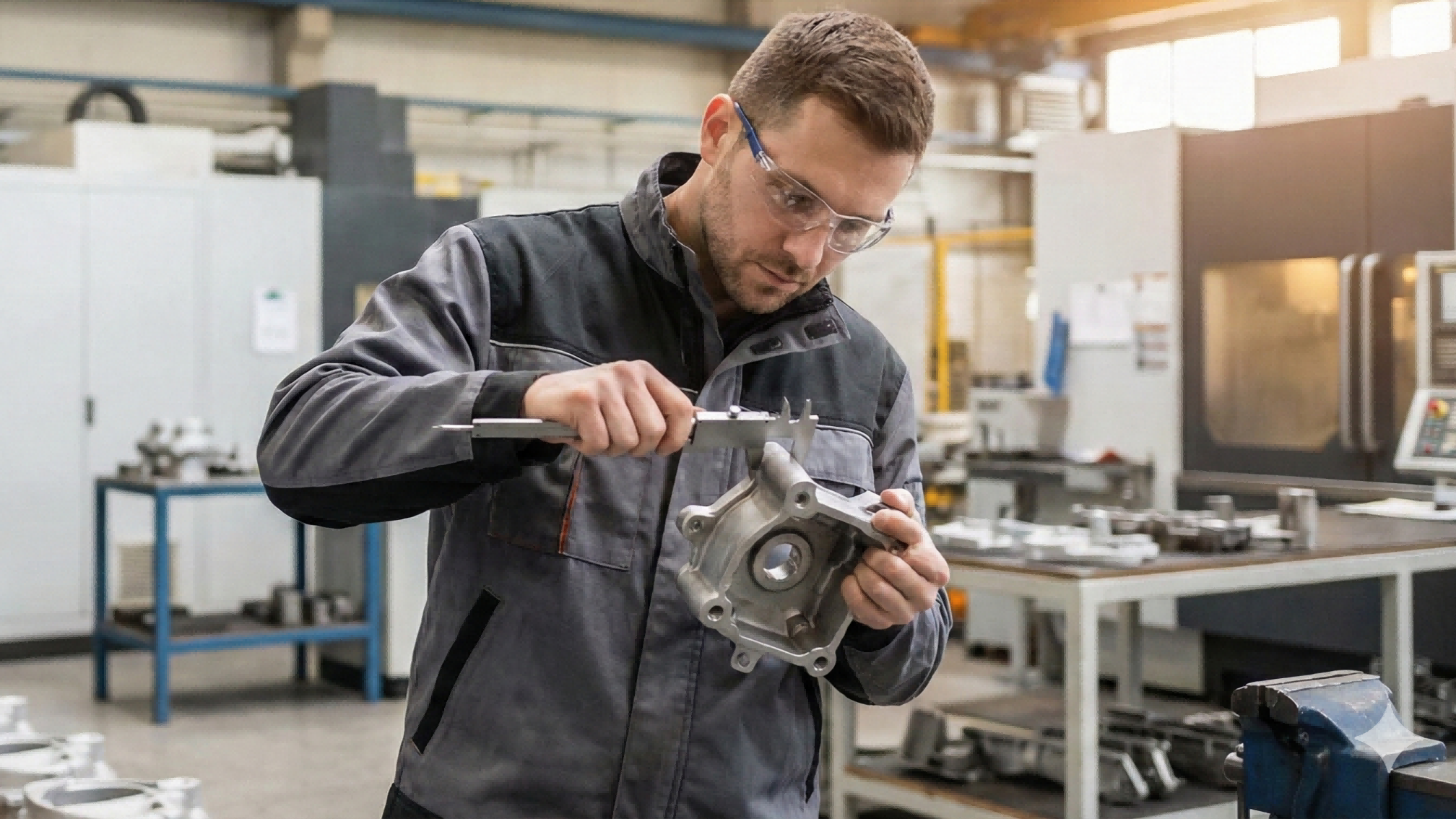
Reducing Total Cost of Ownership: 2026 Why Price Isn’t the Only Factor in Metal Casting
In 2026, smart sourcing means looking beyond the unit price. Logistics, quality reliability, and longevity play a huge role in the true cost...
Read More →
 English
 Русский
 العربية
 Español
 Français
 简体中文
简体中文