



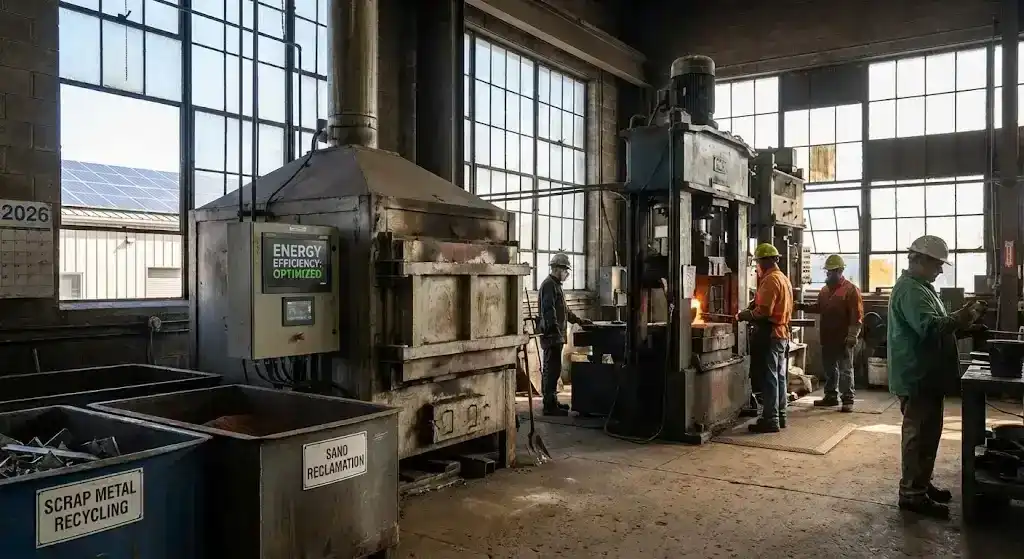
Green Transformation in the Casting Industry is no longer a future concept—it has become a critical direction for foundries aiming to stay competitive in a global market increasingly shaped by sustainability and energy efficiency sustainable manufacturing practices in foundries.As environmental regulations tighten and customers demand more responsible manufacturing, eco-friendly and energy-efficient foundry production is redefining how casting companies design processes eco-friendly and energy-efficient foundry production,select materials, and invest in advanced technologies.
Table of Contents
1. Why Green Transformation Has Become Essential for the Casting Industry in 2026
1.1 Rising Environmental Regulations and Compliance Pressure
In 2026, the green transformation in the casting industry is increasingly driven by stricter environmental regulations across global markets. Governments are enforcing tighter limits on energy consumption, emissions, and waste disposal, pushing foundries to rethink traditional production models energy efficiency in casting production systems.For casting manufacturers serving international customers, meeting these compliance requirements is no longer optional—it has become a basic condition for long-term market access and operational stability.
1.2 Global Customers’ Growing Demand for Sustainable Foundry Partners
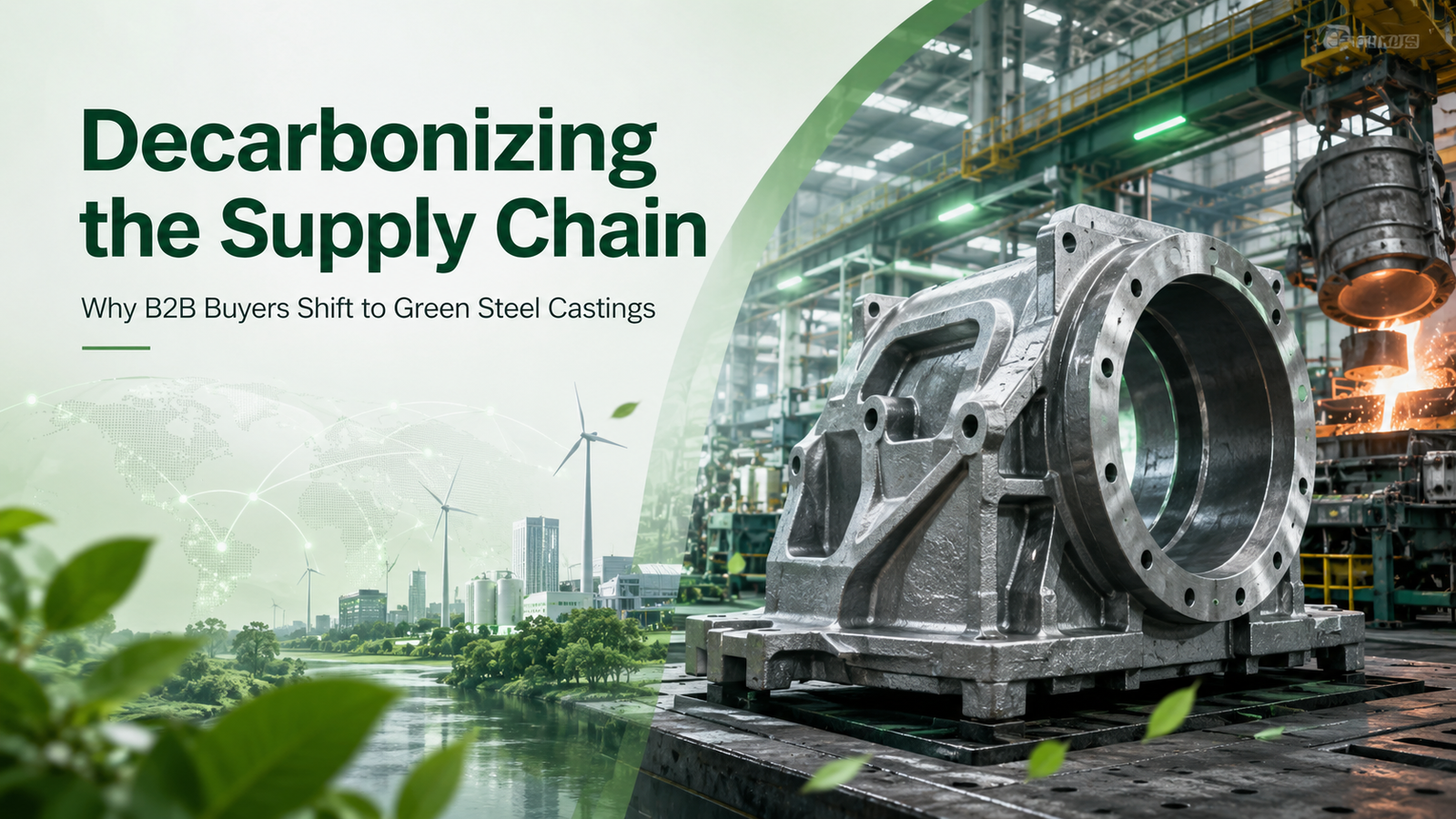
Beyond regulations, customer expectations are accelerating the green transformation in the casting industry. Global buyers, especially in mining, energy, and infrastructure sectors mining and infrastructure casting solutions, now prioritize suppliers that demonstrate sustainable manufacturing practices. Eco-friendly and energy-efficient foundry production is increasingly viewed as a sign of reliability, responsibility, and long-term partnership value, rather than just an environmental commitment.
2. Key Environmental Challenges Facing Traditional Foundry Production
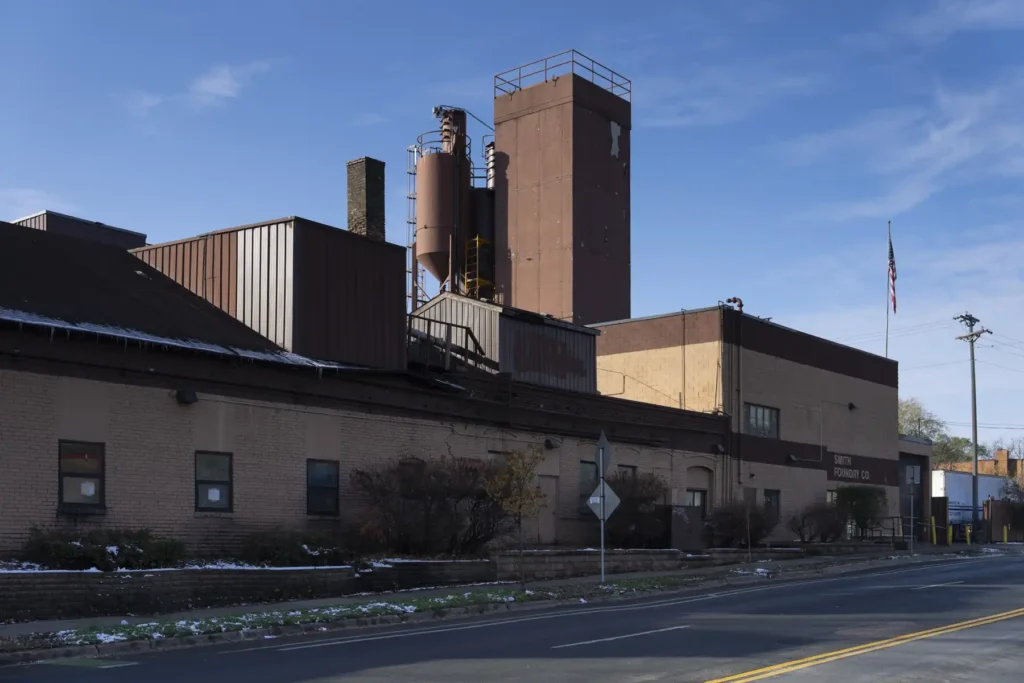
Traditional foundry operations face multiple challenges that make the green transformation in the casting industry both urgent and complex environmental footprint of foundry production processes. High energy consumption during melting, material waste in casting processes, and uncontrolled emissions remain common issues. These challenges not only increase environmental impact but also drive up production costs, making it difficult for conventional foundries to remain competitive in a sustainability-focused global market.
3. Core Technologies Enabling Eco-Friendly and Energy-Efficient Foundries
3.1 Energy-Efficient Melting and Casting Equipment
Advanced melting furnaces and modern casting equipment play a central role advanced casting processes in the green transformation in the casting industry. By improving thermal efficiency and reducing heat loss, energy-efficient equipment significantly lowers power consumption while maintaining stable casting quality. These technologies allow foundries to achieve eco-friendly production without compromising strength, precision, or consistency.
3.2 Digital Monitoring and Smart Energy Management Systems
Digitalization is becoming a key enabler of the green transformation in the casting industry. Smart monitoring systems provide real-time data on energy usage, process efficiency, and emissions, allowing foundries to identify inefficiencies and optimize operations. With data-driven energy management, foundries can make informed decisions that support both environmental goals and production performance.
4. Process Optimization: How Foundries Reduce Energy Use and Emissions
4.1 Optimizing Casting Processes to Minimize Material Waste
Process optimization is a practical step in advancing the green transformation in the casting industry. By refining mold design, improving gating systems precision casting components, and reducing rework rates, foundries can significantly cut material waste. More efficient use of raw materials not only lowers environmental impact but also improves overall production efficiency and cost control.
4.2 Waste Heat Recovery and Emission Control Practices
Waste heat recovery systems and emission control technologies further strengthen the green transformation in the casting industry. Capturing excess heat from melting and casting processes and reusing it within the facility reduces overall energy demand. At the same time, effective emission control practices help foundries meet environmental standards while creating a safer and cleaner working environment.
5. What Sustainable Casting Means for Quality, Cost, and Global Competitiveness
The green transformation in the casting industry delivers more than environmental benefits—it directly impacts product quality, cost efficiency, and global competitiveness. Sustainable casting practices often lead to more stable processes experienced casting manufacturer, improved consistency, and lower long-term operating costs. For foundries serving international markets, green manufacturing has become a strategic advantage that strengthens trust, enhances brand value, and supports long-term growth.
Conclusion
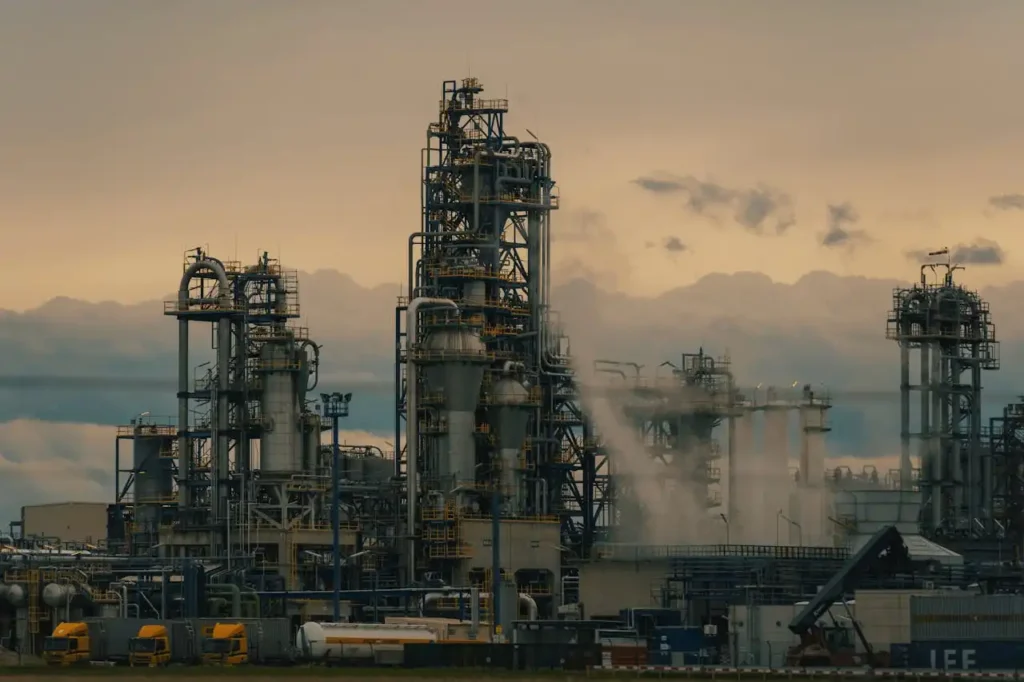
The green transformation in the casting industry is no longer a theoretical goal—it has become a practical and strategic necessity in 2026. Through advanced technologies, process optimization, and data-driven energy management, foundries can significantly reduce environmental impact while maintaining high standards of quality and efficiency. More importantly, sustainable foundry production strengthens global competitiveness by aligning environmental responsibility with long-term operational performance. As market expectations and regulations continue to evolve, embracing green transformation is essential for casting manufacturers seeking resilient growth and lasting partnerships in the global industrial landscape.

 English
 Русский
 العربية
 Español
 Français
 简体中文
简体中文