



For OEM buyers, the unit price on a metal casting quote is often just the tip of the iceberg. When evaluating global supply chain strategies, hidden expenses—such as logistics, complex quality control, and communication delays—can quickly erode your profit margins. Relying solely on the lowest initial bid is a risky approach. To make an informed, data-driven procurement decision, you need a True TCO Analysis. In this comprehensive guide, we will compare the real-world financial impacts of integrated manufacturing versus multi-sourcing, helping you determine which strategy minimizes supply chain friction and delivers the best long-term value for your industrial castings.
Beyond the Initial Quote: How to Eliminate
Hidden Frictions and Supply Chain Risks
فريق هانهاي الهندسي
Apr 7, 2026 · 8 min read
المحتويات
- 1. What Entails a True TCO Analysis in Metal Casting?
- 2. Multi-Sourcing: Evaluating the Traditional Supply Chain
- 3. Integrated Manufacturing: The Single-Source Advantage
- 4. Head-to-Head: Integrated vs. Multi-Sourcing in Your True TCO Analysis
- 5. Strategic Decision Matrix: Which Model Fits Your OEM Needs?
- 6. Conclusion: Making Data-Driven Procurement Decisions
1. What Entails a True TCO Analysis in Metal Casting?
For industrial procurement teams, focusing exclusively on the piece-part price is a common trap. Conducting a True TCO Analysis requires looking beyond the initial invoice to calculate every direct and indirect cost associated with bringing a component from a raw design to a production-ready assembly on your factory floor.
Direct Costs vs. Hidden Frictions
Direct costs are easy to spot: raw materials, labor, and basic machining rates. However, hidden frictions are where supply chains bleed capital. These include:
- Logistics & Freight: Costs of shipping raw castings to a separate facility for machining.
- Administrative Overhead: The engineering and procurement hours spent coordinating between multiple vendors.
- Quality Escalations: Rework, scrap rates, and the cost of resolving dimensional discrepancies.
When these hidden frictions are ignored, the "cheapest" quote often results in the most expensive final part.
2. Multi-Sourcing: Evaluating the Traditional Supply Chain
Traditionally, buyers have split casting and machining across different vendors, assuming this approach offers maximum control over individual process pricing.
The Perceived Benefits of Supplier Diversification
Multi-sourcing is often driven by a desire to mitigate risk. By keeping foundries and machine shops separate, buyers believe they can negotiate harder, leverage excess capacity, and avoid being locked into a single supplier. For highly commoditized, simple parts with loose tolerances, this model can sometimes offer a slight baseline cost advantage.
The "Blame Game" and Escalating Quality Control Costs
However, for complex OEM components, multi-sourcing often introduces severe operational risks. When a machined casting fails inspection, a devastating "blame game" begins. The foundry claims the casting was within spec before machining, while the machine shop blames hidden porosity or poor dimensional stability from the foundry. Resolving these disputes requires intensive engineering intervention, international shipping of scrap parts, and massive production delays—all of which destroy profit margins when you factor them into a True TCO Analysis.
3. Integrated Manufacturing: The Single-Source Advantage
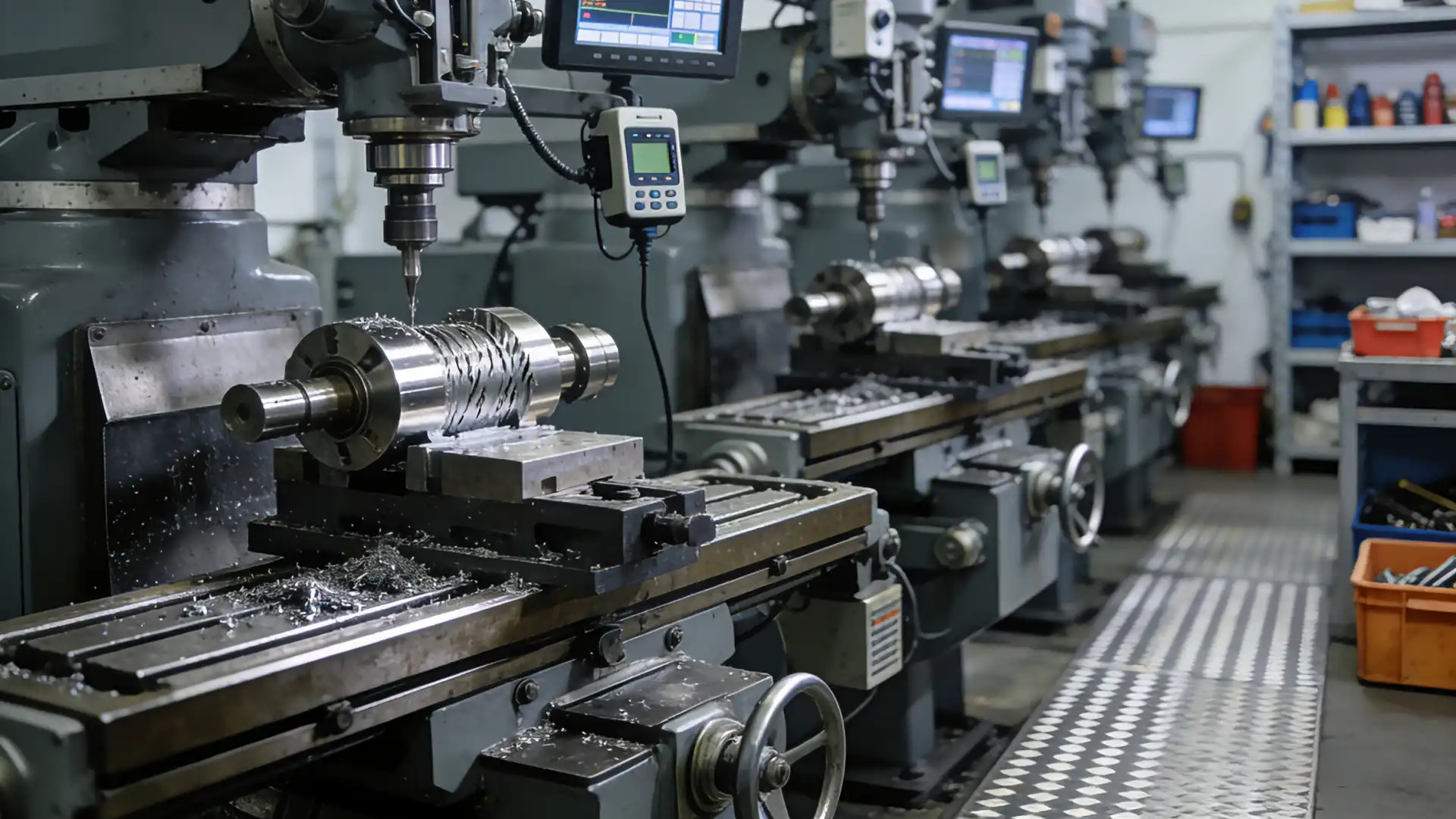
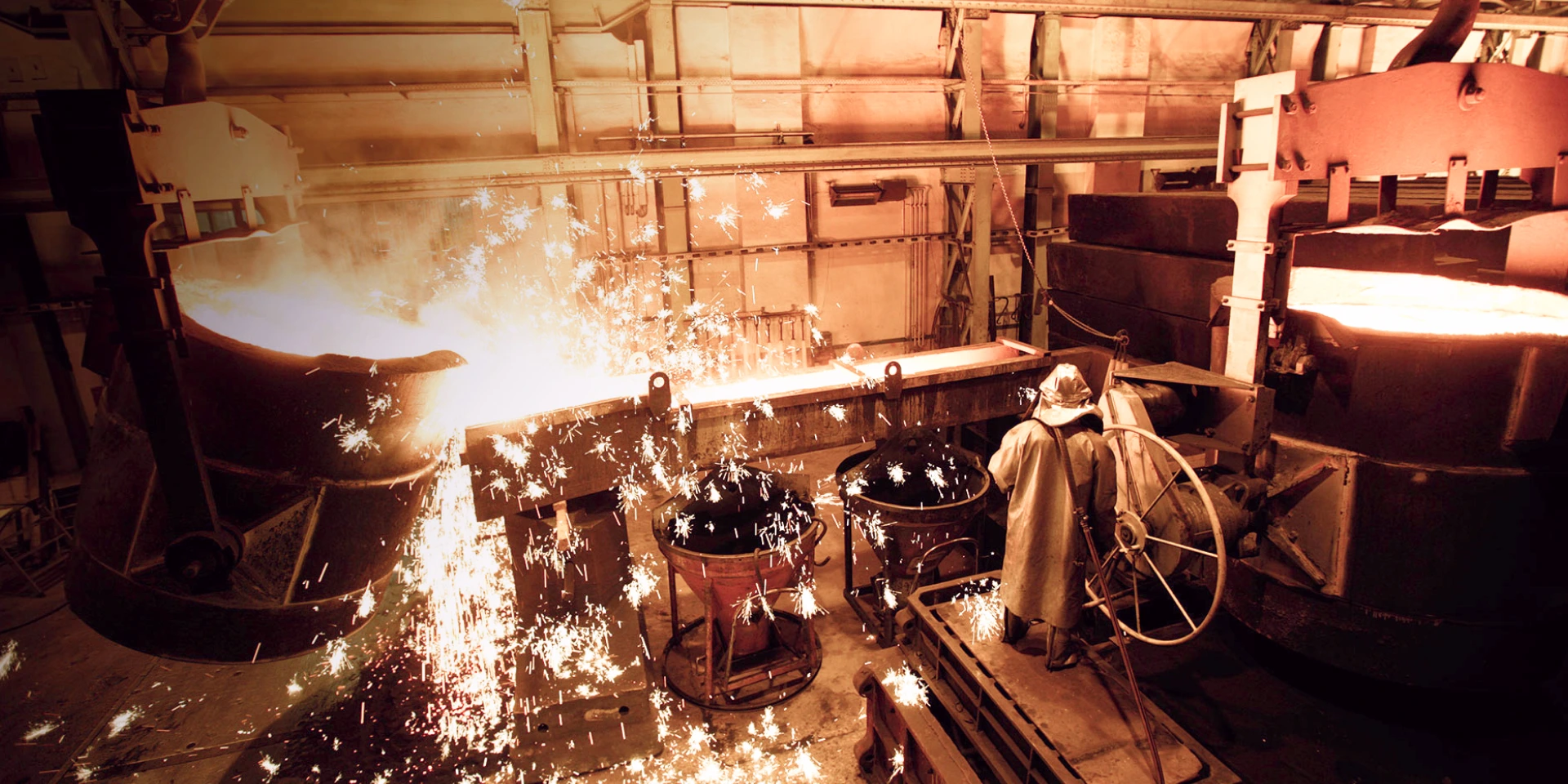
Integrated manufacturing combines the foundry (casting), precision CNC machining, and secondary operations (like heat treatment or surface finishing) under one roof or a single corporate umbrella.
Consolidating Casting, Machining, and Finishing
Instead of managing three different purchase orders, engineering teams, and delivery schedules, OEM buyers manage one. The integrated manufacturer takes a 3D CAD model and delivers a fully finished, ready-to-assemble part.
How Centralized Accountability Lowers Overall Expenses
In a True TCO Analysis, integrated manufacturing stands out because it enforces centralized accountability. If a defect occurs, there is no finger-pointing; the integrated supplier absorbs the cost of scrap and rework internally. Furthermore, their machining engineers can collaborate directly with their foundry metallurgists during the mold design phase, ensuring the casting is optimized specifically for efficient CNC machining.
4. Head-to-Head: Integrated vs. Multi-Sourcing in Your True TCO Analysis
To truly visualize the financial impact, let's compare how these two strategies perform across critical supply chain metrics:
| Supply Chain Metric | Multi-Sourcing Strategy | التصنيع المتكامل | TCO Impact |
|---|---|---|---|
| Vendor Management | Multiple POs, audits, and contacts | Single point of contact | Lower administrative overhead |
| Quality Accountability | High risk of vendor disputes | 100% centralized responsibility | Eliminated "blame game" costs |
| Scrap & Rework | Buyer often absorbs transit/time losses | Supplier handles internally | Drastically reduced waste |
| Packaging & Transit | Requires intermediate packaging & shipping | Parts move internally between floors | Zero intermediate freight costs |
Logistics and Freight Optimization
Moving heavy industrial castings from a foundry to a third-party machine shop requires robust intermediate packaging, truck or rail freight, and additional loading/unloading labor. Integrated facilities eliminate this step entirely, wiping out a significant chunk of indirect logistics costs.
Time-to-Market and Lead Time Reductions
Time is money. A multi-sourced supply chain introduces transit delays and queue times at each new facility. Integrated manufacturers can overlap production schedules—setting up CNC fixtures while the metal is still cooling—slashing overall lead times by weeks and getting your product to market faster.
5. Strategic Decision Matrix: Which Model Fits Your OEM Needs?
Not every part requires the same strategy. Use this simple matrix to guide your procurement:
- Choose Multi-Sourcing when: You are buying extremely simple, low-tolerance parts where commodity pricing is the only driving factor, and internal engineering bandwidth is high enough to manage multiple vendors.
- Choose Integrated Manufacturing when: You are sourcing complex, tight-tolerance OEM castings (like engine blocks, pump housings, or heavy machinery components). The reduction in scrap, streamlined communication, and guaranteed quality make it the superior financial choice.
6. Conclusion: Making Data-Driven Procurement Decisions
In modern industrial procurement, relying on a localized, piecemeal supply chain is no longer a sustainable way to scale. While multi-sourcing might offer the illusion of a lower upfront bid, the hidden costs of freight, miscommunication, and quality disputes quickly erode those savings.
By partnering with an integrated manufacturer, OEM buyers gain superior quality control, faster lead times, and single-source accountability.
We highly recommend that procurement teams perform their own True TCO Analysis to discover how consolidating their casting and machining processes can build a more resilient, cost-effective, and profitable global supply chain.